

Ogun 2027: Egba Democracy Voice Rejects Amosun Return Call, Demands Space for New Generation of Leaders


Ogun 2027: Egba Democracy Voice Rejects Amosun Return Call, Demands Space for New Generation of Leaders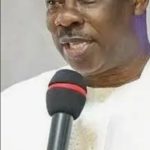
A fresh political reaction has emerged in Ogun State following a call by the Egba Collective, Nigeria (ECONID), urging the All Progressives Congress (APC) to back the return of former Governor and Senator Ibikunle Amosun to the Senate in 2027.
In a swift response, the President of Egba Democracy Voice, Sodunke Akanbi, rejected the call, insisting that Ogun Central politics must not be reduced to a recurring cycle of familiar political figures at the expense of emerging and younger aspirants.
Akanbi argued that while Amosun has a long record of public service, including two terms as governor and two terms as senator, the current political reality in Ogun State demands inclusiveness, fresh ideas, and generational balance in leadership.

He stressed that democracy is weakened when political opportunities are repeatedly concentrated in the hands of a few, noting that many young, intelligent, and vibrant aspirants within Ogun Central are fully capable of contributing meaningfully to governance if given the chance.


According to him, the continuous push for the return of long-serving political actors raises concerns about political recycling and limits the space for innovation and leadership renewal.
“Ogun State is not a private estate. It belongs to all of us. We have capable young men and women who are ready to serve and should not be permanently blocked by political godfatherism or recycled leadership,” Akanbi stated.
He further emphasized that leadership should be based on ideas, capacity, and current relevance rather than long-standing political dominance, adding that new generations must be allowed to participate fully in shaping the future of the state.
Drawing broader political parallels, he referenced Nigeria’s democratic evolution, noting that even leaders such as Olusegun Obasanjo—who once held both military and civilian leadership positions—eventually stepped aside to allow new leadership to emerge.
Akanbi maintained that Ogun State must follow a similar path of inclusion and renewal, where political participation is widened rather than restricted.
He concluded that the 2027 elections present an opportunity for Ogun Central to embrace generational change, warning that failure to do so could deepen political stagnation and disillusionment among younger citizens.
As debates intensify ahead of 2027, the call for political restructuring and leadership transition is expected to remain a key issue within Ogun State’s political discourse.


