

Nigeria Has Lost a Fearless Intellectual” — Tributes Pour In as Renowned Historian Segun Osoba Dies at 92


“Nigeria Has Lost a Fearless Intellectual” — Tributes Pour In as Renowned Historian Segun Osoba Dies at 92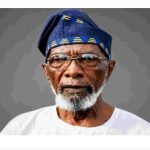
Nigeria’s academic and intellectual community has been thrown into mourning following the death of renowned Marxist historian and constitutional scholar, Professor Segun Osoba, whose lifelong commitment to justice, equality and social transformation shaped generations of scholars and activists.
The late Osoba, widely respected for his radical intellectual contributions and fearless criticism of inequality in post-colonial Nigeria, was described as one of the country’s most influential historians and public thinkers.
In an emotional tribute titled “Goodnight, Professor Segun Osoba,” legal scholar and activist Abdul Mahmud reflected on Osoba’s enduring influence on Nigeria’s political and constitutional development, saying the country had lost “one of its most exacting minds.”
Osoba gained national prominence for his groundbreaking scholarship, particularly his influential 1978 essay, “The Deepening Crisis of the Nigerian National Bourgeoisie,” where he critically examined Nigeria’s ruling elite and the structural roots of inequality and state failure.

According to the tribute, Osoba consistently argued that history must serve justice and expose the realities of oppression, exploitation and social imbalance in society. His works challenged political elites and questioned the foundations of post-independence governance in Nigeria.

Beyond academia, Osoba played a major role in constitutional debates during Nigeria’s transition era in the late 1970s. Alongside the late Dr. Bala Usman, he co-authored the famous Minority Report of the Constitution Drafting Committee, a document many scholars still regard as one of the boldest alternative constitutional visions ever proposed in Nigeria.
Although the proposal was rejected by the military government at the time, many of its ideas later influenced democratic and constitutional discussions in the country.
Friends, former students and associates also remembered Osoba for his humility, mentorship and deep concern for younger intellectuals and activists. Despite his towering status, he reportedly maintained close relationships with colleagues and protégés, often offering guidance and encouragement.
His withdrawal from active university life and relocation to Ijebu-Ode was also portrayed as a symbolic protest against the decline of intellectual culture and poor conditions within Nigeria’s educational system.
Osoba’s death has triggered widespread tributes from academics, civil society groups and political observers who described him as a courageous scholar whose ideas reshaped conversations around governance, democracy and social justice in Africa.


