Oshiomhole Revives Demand for Accountability Over Alleged ₦210 Trillion NNPCL Audit Discrepancies


Oshiomhole Revives Demand for Accountability Over Alleged ₦210 Trillion NNPCL Audit Discrepancies
By Akin Alade
Fresh controversy has emerged around the ongoing investigation into the finances of the Nigerian National Petroleum Company Limited (NNPCL) as Senator Adams Oshiomhole renewed calls for transparency and accountability over an alleged ₦210 trillion discrepancy identified in audit reports covering several years of the national oil company’s operations.
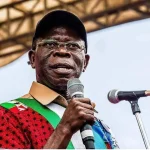
The former Edo State governor insisted that the Senate’s Public Accounts Committee must continue its probe into issues raised by the Office of the Auditor-General of the Federation concerning NNPCL’s audited accounts from 2017 to 2023. The lawmaker argued that Nigerians deserve clear explanations regarding financial queries linked to the country’s most strategic revenue-generating institution.
Oshiomhole’s renewed position comes amid intense debate within the Senate over the handling of the investigation and the role of former NNPCL Group Chief Executive Officer, Mele Kyari, who has been at the centre of calls to appear before lawmakers to respond to audit-related questions.


According to the senator, the allegations originated from audit observations submitted by the Auditor-General’s office and subsequently referred to the Senate Committee on Public Accounts for legislative review. He maintained that lawmakers have a constitutional responsibility to ensure accountability in the management of public resources.
The controversy has sparked differing opinions among stakeholders. While some lawmakers and civil society advocates support a comprehensive investigation into the audit queries, others have questioned the interpretation of the figures being discussed. Former NNPCL Chief Financial Officer Umar Ajiya recently argued that claims suggesting ₦210 trillion was missing are inconsistent with the company’s reported revenues and audited financial statements, describing the figure as a misinterpretation of audit reconciliation issues rather than evidence of missing funds.
Despite the disagreements, Oshiomhole has insisted that the investigation should proceed without interference, emphasizing that public institutions must remain accountable to Nigerians. He stressed that all individuals connected to the audit queries should cooperate fully with the Senate’s oversight process to ensure public confidence in governance and financial management.
The matter has also generated heated discussions within the National Assembly, with Senate leaders distancing the institution from some of Oshiomhole’s earlier remarks regarding the NNPCL while reaffirming their commitment to due process and legislative oversight. The Senate has maintained that any conclusions regarding the audit queries must emerge from a transparent and lawful investigative process.
Analysts say the outcome of the probe could have significant implications for transparency, accountability, and public trust in Nigeria’s oil and gas sector, which remains a critical pillar of the nation’s economy.
As the investigation continues, Nigerians are expected to closely monitor developments, particularly any findings that may emerge regarding the audit observations and the management of public resources within the petroleum industry.