



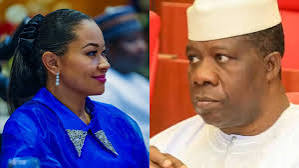
In a significant turn of events within Nigeria’s Senate, recent accusations have emerged involving top senators. Senator Bamidele Opeyemi has firmly rejected allegations from Senator Natasha Akpoti-Uduaghan, who claimed he intimidated her during a late-night phone conversation. The controversy was ignited by Akpoti-Uduaghan’s statements in a television interview where she accused Senate President Godswill Akpabio of sexual harassment and mentioned a midnight call from Opeyemi, describing it as threatening.
On the Senate floor, Opeyemi, who serves as the Senate Majority Leader, conceded to making the call at 12:13 a.m. but refuted any malicious intent. He explained the call was an attempt to mediate ongoing tensions between Akpabio and Akpoti-Uduaghan. Opeyemi shared that he had previously advised Akpabio to issue a public apology to Akpoti-Uduaghan to address her concerns over a remark she deemed offensive. Following this conversation, Akpabio suggested Opeyemi speak directly with Akpoti-Uduaghan, prompting the late-night call. During their conversation, Opeyemi claimed he inquired, “My dear sister, what would you gain if the Senate President goes down?” emphasizing that his aim was solely reconciliation and not intimidation.
The ongoing allegations against Akpabio have added complexity to the situation, as Akpoti-Uduaghan accused him of unwanted advances at his residence on December 8, 2023. She alleged that after rebuffing these advances, her work in the Senate faced obstacles, including delays in her motions concerning the Ajaokuta Steel Company. Akpabio has strongly denied these charges, asserting he has never harassed Akpoti-Uduaghan or any other woman, citing his respectful upbringing and previous recognition as a gender-friendly governor.

In the aftermath, Akpoti-Uduaghan was suspended from the Senate, based on a report from the Senate Committee on Ethics, Privileges, and Public Petitions, which listed infractions of Senate rules as reasons for her suspension. This decision has ignited discussions on the internal dynamics within the Senate and handling misconduct allegations. Observers closely watch how the Senate will navigate these allegations and internal conflict, raising questions about transparency, accountability, and behavior in Nigeria’s legislative framework.


