

HURIWA Knocks Tinubu’s Democracy Day Address, Demands Tougher Action Against Terrorism


HURIWA Knocks Tinubu’s Democracy Day Address, Demands Tougher Action Against Terrorism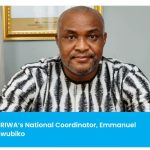
By Akin Alade
The Human Rights Writers Association of Nigeria (HURIWA) has criticized President Bola Ahmed Tinubu’s 2026 Democracy Day speech, arguing that the address failed to provide convincing solutions to Nigeria’s worsening security and economic challenges.
In a statement issued by its National Coordinator, Emmanuel Onwubiko, the rights group expressed disappointment that the President’s nationwide address did not sufficiently address growing concerns over terrorism, insecurity, unemployment, inflation, and the rising cost of living affecting millions of Nigerians.
HURIWA acknowledged the President’s recognition of June 12 democracy heroes and his reaffirmation of democratic values but maintained that Nigerians expected a more comprehensive roadmap for tackling the country’s most pressing problems. According to the group, many citizens are more concerned about security, economic survival, and access to quality education than ceremonial celebrations.


A major point of disagreement for the association was President Tinubu’s position that the government would continue to keep the door open for terrorists willing to surrender. In his Democracy Day speech, the President stated that opportunities for surrender remain available to terrorists and criminal elements who abandon violence.
However, HURIWA argued that individuals responsible for killings, kidnappings, and the destruction of communities should face justice rather than benefit from rehabilitation and reintegration programmes. The organization insisted that government efforts should focus on strengthening military operations, intelligence gathering, and coordinated security measures aimed at dismantling terrorist networks across the country.
The rights group also expressed concern over alleged sabotage within parts of the nation’s security architecture. HURIWA called on the Federal Government to identify and sanction individuals accused of leaking operational information to criminal groups, arguing that such actions undermine the fight against terrorism and banditry.
On education, the association faulted the absence of detailed measures to secure schools, especially in regions vulnerable to attacks by terrorists, kidnappers, and bandits. It noted that many parents remain reluctant to send their children to school because of persistent security threats.
HURIWA further maintained that the President’s speech devoted considerable attention to government achievements and national honours while offering limited discussion on the hardship faced by ordinary Nigerians. The group cited rising food prices, transportation costs, unemployment, and declining purchasing power as urgent issues requiring stronger policy responses.
The association therefore urged the Federal Government to present measurable strategies for defeating terrorism, protecting schools, creating jobs, reducing poverty, and strengthening democratic institutions. According to HURIWA, the true test of democracy lies in its ability to deliver security, justice, prosperity, and hope to citizens.
As debates over governance and national development continue, the latest criticism highlights growing public expectations for practical solutions to Nigeria’s security and economic challenges while reinforcing calls for greater accountability and policy effectiveness.


