



Cameroon Power Vacuum: Biya’s Absence Sparks Succession Debate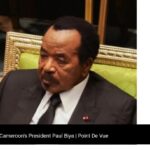

Cameroon is witnessing growing political uncertainty as the prolonged absence of President Paul Biya from public engagements has intensified speculation over the country’s leadership succession ahead of the next presidential election.

The absence of the veteran leader has triggered widespread debate among political stakeholders, analysts, and citizens, with increasing calls for clarity regarding the nation’s political future. Concerns have mounted over governance, continuity, and the mechanisms for a smooth transfer of power should the need arise.
Political observers say the uncertainty has reignited discussions about Cameroon’s constitutional succession process, the preparedness of state institutions, and the potential impact on national stability. Attention has also shifted to possible successors within the ruling establishment and the broader political landscape, although no official succession plan has been announced.
The development comes at a time when Cameroon is confronting economic challenges, security concerns, and growing public expectations for political reforms. Analysts believe the country’s ability to manage any leadership transition peacefully will be critical to maintaining investor confidence, democratic stability, and regional security.
While government officials have sought to reassure citizens about the continuity of governance, the president’s limited public appearances have continued to fuel speculation both within Cameroon and across the international community.
As political activities gather momentum, many stakeholders are calling for transparency, adherence to constitutional provisions, and a peaceful democratic process capable of preserving national unity regardless of the eventual leadership outcome.


