
MetroNews

Economic Hardships Dampened Eid-el-Fitr Celebrations Across Nigeria

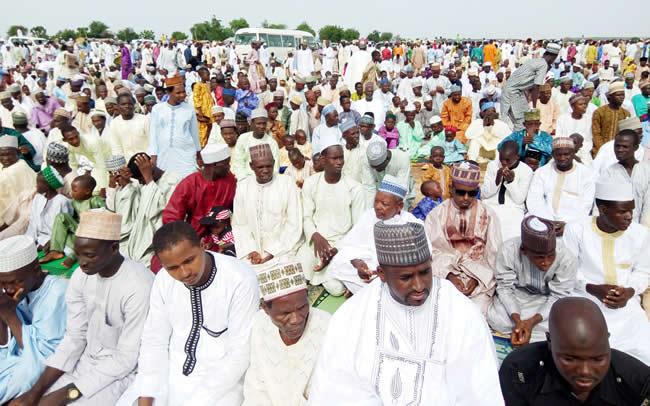
Muslims in several parts of Nigeria marked a low-key Eid-el-Fitr celebration this year due to the escalating cost of living, which significantly affected their ability to celebrate the festival in their usual style.

The surge in food, fuel, and transportation prices, combined with ongoing security concerns, contributed to a subdued atmosphere during the Sallah festivities, especially in northern Nigeria, where many Muslims turned to prayers for an end to insecurity, economic difficulties, and national challenges.

In Zamfara State, the economic hardship was evident, with a noticeable decrease in the turnout of worshippers at Eid prayers. The usual heavy traffic leading to prayer grounds was almost absent as fewer people could afford to drive. Many Muslims in the state also refrained from buying new clothes or preparing lavish meals for their families. For Mainasara Mohammed, a resident of Gusau, this marked the first time he couldn’t buy new clothes for his family during Eid celebrations. He lamented, “For the first time in my life, I could not buy new clothes for my family,” highlighting the economic difficulties faced by many.

Senator Lawal Usman of Kaduna Central Senatorial District also urged Muslims across Nigeria to use the occasion to pray for an end to insecurity and economic hardships. “I urge all Muslims to use this occasion to pray for peace, security, and prosperity in our country. We must come together to pray for an end to the challenges facing us as a nation,” Usman said.

Advertisement

Despite the economic strain, many Muslims emphasized the importance of peaceful coexistence and unity. Sheikh Abdulwahab Abdulkadir, an Islamic scholar in Kaduna, stressed the values of compassion, kindness, and generosity that Muslims should uphold, especially during such challenging times.

In Gombe State, Mohammed Deba, Chairman of the Coalition of Northern Groups, expressed frustration, stating, “This is the same as last year. The level of poverty has remained unabated, and many are getting used to the hardship.”

While the situation in Sokoto appeared more stable, with the Liberty Progressive Association commending the peaceful conduct of the celebrations, the economic strain was still apparent. Mallam Jamiu Afolabi, the group’s chairman, noted that despite the financial hardships, the people of Sokoto maintained peaceful behavior.

Residents of Maiduguri, Borno State, also experienced a quieter Eid celebration this year, with security improving but the economic difficulties preventing many families from fully enjoying the holiday. Kida Abdulsalam, a Maiduguri resident, said, “While we had a memorable Sallah celebration, you can’t compare it with previous years,” emphasizing the need to cut costs due to economic constraints.

In the South-West, major roads in Osun State were quieter, with lighter traffic observed in Osogbo, the state capital. Many businesses, particularly in the Ota Efun and Igbona markets, remained closed as people preferred to stay home and spend time with family. Peter, a mini-bus operator, attributed this to the high cost of living, explaining that many people preferred staying at home rather than traveling.

In contrast, in Oyo and Ogun States, Muslims were able to celebrate more comfortably, aided by community solidarity and support from politicians. Kunle Sanni, Chairman of the Muslim Community of Oyo State, credited the generosity of wealthier Muslims and government officials for ensuring that many had enough to eat and celebrate. “Muslims had more than enough to eat this year. Politicians, especially Senators and House of Representatives members, also supported with food items,” he said.

However, in Lagos, traders reported a drop in sales as many Muslims had a quiet celebration. Chuks, a trader in Yaba market, said, “The sales were just too low for those of us selling clothes. In time past, we made huge sales as families came shopping, but this year we hardly had people who bought clothes.”

The People’s Democratic Party (PDP) also weighed in on the economic challenges, blaming the ruling All Progressives Congress (APC) for the hardship. PDP National Publicity Secretary, Debo Ologunagba, criticized the APC administration for worsening economic conditions and urged Nigerian leaders to re-dedicate themselves to serving the people with fairness, honesty, and integrity.

“We must stand up for justice, strict adherence to the Rule of Law, and accountability in the polity,” Ologunagba said, calling on Nigerians to renew their commitment to the well-being of the nation.

Despite the economic challenges, Muslims across Nigeria showed resilience in upholding the spirit of Eid by prioritizing community solidarity, peaceful coexistence, and prayer for a better future.

Related Articles

Back to top button

Nigeria Standard Magazine: A Voice for Excellence and Innovation

Introduction

Nigeria Standard Magazine is a premier publication dedicated to showcasing the vibrant culture, business excellence, political landscape, entertainment, and technological advancements of Nigeria. Our mission is to provide insightful, fact-based journalism while promoting Nigerian achievements on a global scale. With a commitment to quality journalism and innovative reporting, Nigeria Standard Magazine covers a wide range of topics, including business, politics, entertainment, education, and lifestyle. This article will explore how the magazine is revolutionizing media in Nigeria and why it remains a leading source of news and information.

The Role of Nigeria Standard Magazine in Media Excellence

1. A Trusted News Source

Nigeria Standard Magazine has built a reputation for delivering accurate, reliable, and timely news. Unlike sensationalist media, we focus on in-depth analysis, investigative journalism, and balanced reporting. Our team of seasoned journalists ensures that every piece published meets the highest standards of ethical journalism.

2. Covering Nigeria’s Political Landscape

With Nigeria’s dynamic political environment, staying informed is crucial. Nigeria Standard Magazine provides comprehensive coverage of political developments, elections, policy changes, and governance. We offer expert opinions, interviews with political leaders, and policy analysis that help Nigerians make informed decisions.

3. Business and Economic Insights

Nigeria Standard Magazine serves as a vital resource for entrepreneurs, investors, and business professionals. Our business section covers: By providing actionable insights, we help businesses navigate the complex Nigerian economy and make informed decisions.

Entertainment and Lifestyle: Celebrating Nigerian Talent

4. Nollywood and Music Industry Updates

Nigeria’s entertainment industry is one of the fastest-growing in the world. Nigeria Standard Magazine keeps readers updated on: Our entertainment section provides an insider’s look into the vibrant world of Nigerian arts and culture.

5. Fashion and Lifestyle Trends

From traditional attire to modern fashion trends, Nigeria Standard Magazine covers the evolving fashion scene. Our lifestyle section highlights:

Technology and Innovation: Nigeria’s Digital Transformation

6. Tech Startups and Innovations

Nigeria is emerging as a tech hub in Africa, with startups revolutionizing various industries. Nigeria Standard Magazine reports on: Our readers gain valuable insights into the tech ecosystem and the future of innovation in Nigeria.

7. Education and Career Development

Education is key to national development. Nigeria Standard Magazine supports knowledge-sharing through: By focusing on education, we empower Nigerian youth to achieve academic and professional success.

Why Nigeria Standard Magazine Stands Out

8. Digital and Print Accessibility

We understand the importance of accessibility in today’s digital world. Nigeria Standard Magazine is available in both print and digital formats, ensuring that readers can access our content anytime, anywhere. Our online platform is optimized for mobile users, making it easy to read the latest news on the go.

9. Engaging Multimedia Content

To keep our audience engaged, we incorporate: This multimedia approach enhances user experience and provides diverse ways to consume information.

10. Community Engagement and Social Media Presence

Nigeria Standard Magazine actively engages with readers through social media platforms such as Twitter, Facebook, Instagram, and LinkedIn. Our interactive approach includes: This strong online presence ensures that we remain connected with our audience and foster meaningful conversations.

SEO Strategies for Nigeria Standard Magazine

To maintain visibility and attract more readers, we employ the following SEO strategies:

11. Keyword Optimization

Our content incorporates relevant keywords such as: By strategically placing these keywords in our articles, we enhance search engine rankings and reach a wider audience.

12. High-Quality Content and Backlinks

We prioritize quality content that is: By collaborating with industry experts and media partners, we build credible backlinks that boost our domain authority.

13. Mobile Optimization and Fast Loading Speeds

With a growing number of readers accessing content via mobile devices, we ensure:

14. Social Media Integration

Our articles are easily shareable across social media platforms, driving organic traffic. We encourage readers to:

Conclusion: The Future of Nigeria Standard Magazine

As Nigeria continues to evolve, Nigeria Standard Magazine remains committed to delivering accurate, engaging, and insightful content. Our mission is to inform, educate, and inspire Nigerians and the global audience about the nation’s achievements and potential. With a strong digital presence, high-quality journalism, and a deep understanding of our readers’ needs, Nigeria Standard Magazine will continue to be a trusted voice in Nigerian media. Stay connected with us for the latest updates on business, politics, entertainment, technology, and more. Follow us on social media and visit our website for real-time news and analysis.