

2027 Election: Atiku Explains Peace Accord Boycott, Demands Level Playing Field


2027 Election: Atiku Explains Peace Accord Boycott, Demands Level Playing Field
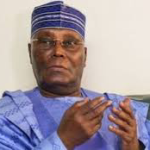
By Akin Alade
Former Vice President and African Democratic Congress (ADC) presidential candidate for the 2027 general election, Atiku Abubakar, has broken his silence over his refusal to participate in the recent signing of the National Peace Accord, a decision that has generated widespread public debate and political reactions across Nigeria.

Atiku said his absence should be understood against the background of his previous experiences with the peace accord process, arguing that commitments to peaceful elections must be demonstrated by all political actors and institutions rather than being treated merely as a ceremonial exercise.

The former Vice President gave the explanation when the Council of the Wise of the Savannah Centre for Democracy, Diplomacy and Development, led by former Chief Justice of Nigeria, Justice Olukayode Ariwoola, visited him in Abuja as part of consultations with political stakeholders ahead of the 2027 general elections.
Why Atiku Refused to Sign 2027 Peace Accord
According to Atiku, he had participated in peace accord initiatives during previous elections but became dissatisfied with the process because, in his view, opposition parties were often expected to participate while the ruling party did not always demonstrate the same level of commitment.
His explanation comes amid questions over the absence of Atiku and the ADC from the National Peace Accord ceremony held in Abuja on August 18.
The accord, organised by the National Peace Committee in partnership with the Kukah Centre, seeks to commit presidential candidates, political parties and their supporters to peaceful campaigns, respect for electoral institutions and issue-based political engagement.
President Bola Ahmed Tinubu did not attend the ceremony personally but was represented by Secretary to the Government of the Federation, George Akume. Presidential candidates including Peter Obi, Omoyele Sowore and Adewole Adebayo participated in the signing, while Atiku and the ADC were absent.
Atiku: Peaceful Election Is Not Politicians’ Responsibility Alone
Atiku argued that ensuring a peaceful, free and credible election should not be regarded as the responsibility of politicians and opposition candidates alone.
According to him, the government and the three arms of government also have crucial responsibilities in creating an environment in which Nigerians can freely exercise their democratic rights.
The ADC presidential candidate consequently called for a level playing field ahead of the 2027 election, maintaining that confidence in the electoral process would depend largely on fairness, institutional credibility and equal treatment of political participants.
His position introduces another dimension to the controversy surrounding the peace accord. While critics may question the decision of a leading presidential candidate to stay away from an initiative designed to promote peaceful elections, Atiku’s explanation suggests that his objection is centred on what he considers unequal commitment to the process.
Ariwoola Urges Atiku to Run Issue-Based Campaign
Justice Ariwoola, meanwhile, urged Atiku to ensure that his presidential campaign remains peaceful and issue-based.
The former Chief Justice called on the ADC candidate to avoid hate speech, inflammatory comments and other conduct capable of encouraging political violence as campaigns for the 2027 elections gather momentum.
Atiku expressed his willingness to continue working with the Council of the Wise but maintained that political stakeholders must be treated fairly and that the council should engage all sides candidly.
Peace Accord Controversy Puts 2027 Electoral Credibility in Spotlight
The controversy is likely to fuel a wider national conversation about whether signing a peace accord is sufficient to guarantee peaceful elections or whether the conduct of candidates, political parties, electoral institutions, security agencies and government officials ultimately matters more.
For millions of Nigerians preparing for another general election, the major concern will be whether political leaders can translate promises of peace into responsible conduct before, during and after voting.
Atiku’s clarification may have explained his reasons for staying away from the August 18 ceremony, but it is unlikely to completely end the debate.
As the political atmosphere intensifies, Nigerians will be watching the ADC candidate, President Tinubu and other contenders closely—not simply for the agreements they sign, but for their commitment to peaceful campaigns, credible elections, institutional independence and respect for the democratic process.
Ultimately, the 2027 election will provide the real test of whether Nigeria’s political leaders can place national peace and democratic stability above partisan interests.


