

Cameroon’s 2027 Elections Under Scrutiny as Paul Biya’s Government Suspends Opposition Party


Cameroon’s 2027 Elections Under Scrutiny as Paul Biya’s Government Suspends Opposition Party
By Akin Alade
Cameroon’s political landscape has entered another period of uncertainty following the government’s decision to suspend a major opposition party for three months, raising fresh concerns over political freedom, democratic participation and preparations for the country’s 2027 parliamentary and local government elections.
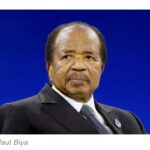
The government of President Paul Biya, who has ruled the Central African nation since 1982, announced the suspension of the Cameroon National Salvation Front (FSNC), led by former government minister and opposition politician Issa Tchiroma Bakary, who is currently living in exile in The Gambia.

The decision was announced on Tuesday, October 27, 2026, by Cameroon’s Minister of Territorial Administration, Paul Atanga Nji, who accused the opposition party of activities allegedly threatening national security and public order.


According to the ministerial directive, the FSNC was sanctioned over allegations of incitement to insurrection, encouragement of violence and serious disturbances of public order connected with the country’s controversial presidential election held on October 12, 2025.
The government maintained that the alleged activities occurred during the politically sensitive period surrounding the election, which saw 93-year-old President Biya declared winner, extending his more than four decades in power.
However, the suspension has renewed questions about the political environment facing opposition parties in Cameroon, particularly as the country prepares for another round of elections expected in early 2027.
Bakary, who emerged as one of the prominent challengers to Biya during the 2025 presidential contest, attracted considerable support among young Cameroonians demanding political reforms, improved governance and a change in national leadership.
Following the announcement of the presidential election results, the opposition leader rejected the official outcome and declared himself the rightful winner, urging his supporters to defend what he described as their electoral mandate.
His declaration triggered demonstrations across major Cameroonian cities, with security forces moving to suppress the protests. Several people reportedly lost their lives during the unrest, although the authorities have yet to release a comprehensive official death toll.
The political crisis subsequently forced Bakary into exile in The Gambia, where he has continued to challenge the legitimacy of the presidential election outcome.
Despite having only two representatives in Cameroon’s parliament, the FSNC gained increased political visibility during the presidential campaign, particularly among citizens seeking an alternative to the country’s longstanding political establishment.
The latest suspension prohibits the party from conducting political activities across Cameroon for three months, while the authorities have warned that violations could attract legal consequences.
Political observers believe the timing of the government action could create additional difficulties for opposition mobilisation ahead of the parliamentary and municipal elections scheduled for early 2027 after repeated postponements.
The development also raises broader questions about the ability of opposition parties to organise political meetings, engage voters and prepare candidates under administrative restrictions imposed close to an election period.
For President Biya, one of Africa’s longest-serving leaders, the latest political confrontation adds to longstanding debates about democratic reforms, leadership succession and the future of multiparty politics in Cameroon.
While the government has defended the suspension on national security and public order grounds, the decision is likely to intensify scrutiny of the balance between maintaining stability and protecting constitutional political freedoms.
The controversy comes at a critical moment for Cameroon, where political stability, public confidence in electoral institutions and opportunities for meaningful opposition participation remain important issues ahead of the 2027 elections.
With the suspension expected to remain in force until late January 2027, attention will now turn to whether the opposition party challenges the decision through legal channels and how the restriction affects its preparations for the forthcoming elections.
Ultimately, Cameroon’s handling of the opposition party suspension could become another test of the country’s democratic institutions, particularly as citizens and political stakeholders assess the credibility, inclusiveness and competitiveness of the next electoral process.


