



2027: Katsina Emir Warns APC Over Broken Promises, Insecurity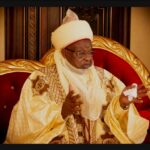
As political activities gather momentum ahead of the 2027 general elections, the Emir of Katsina, Alhaji Abdulmumini Kabir Usman, has challenged the All Progressives Congress (APC) and other political leaders to demonstrate genuine commitment to the welfare of Nigerians, warning that unfulfilled campaign promises carry serious moral and spiritual consequences.



The respected traditional ruler delivered the warning while receiving a delegation led by former Zamfara State Governor and Director-General of the APC Presidential Campaign Council, Senator Abdulaziz Yari, at his palace in Katsina. He emphasised that political leadership must go beyond attractive campaign speeches, ceremonial visits and promises designed to secure electoral victories.
Expressing concern over the deteriorating security situation in parts of northern Nigeria, the monarch lamented the difficulties confronting farmers, traders and rural communities affected by banditry and other criminal activities. He observed that insecurity had disrupted agricultural production and economic opportunities, making it increasingly difficult for ordinary citizens to earn a living and support their families.
The Emir also drew attention to the decline of major industrial establishments that previously provided employment opportunities across northern Nigeria. He questioned the disappearance of once-thriving manufacturing industries and urged political leaders to develop practical strategies for industrial revival, job creation and economic recovery rather than concentrating exclusively on electoral calculations.
Speaking on the moral obligations of public officeholders, the traditional ruler warned that deliberately deceiving citizens through campaign promises amounted to a betrayal of public trust. He maintained that politicians who knowingly make commitments without any intention of fulfilling them would ultimately answer before Almighty God, stressing that leadership should be anchored on sincerity, compassion and accountability.
Beyond his warning to the ruling party, the monarch’s intervention raises a broader question about the quality of democratic governance in Nigeria. With another election approaching, political parties seeking public support face increasing pressure to explain how their policies will address insecurity, unemployment, poverty and the declining purchasing power of citizens. The Emir’s message underscores the importance of judging political leaders by measurable achievements rather than campaign declarations.
The royal father’s remarks also highlight the growing relevance of traditional institutions in demanding accountability from elected officials. Although traditional rulers do not exercise the same constitutional powers as elected political leaders, their influence within communities places them in a position to draw attention to public concerns and encourage government responsiveness.
As President Bola Ahmed Tinubu’s political associates intensify consultations ahead of the 2027 presidential election, the Katsina monarch’s warning serves as a reminder that electoral victory comes with responsibilities that extend beyond party loyalty and political mobilisation. For millions of Nigerians confronting economic hardship and security challenges, the ultimate measure of leadership remains the ability of government to protect lives, restore livelihoods and fulfil commitments made to the electorate.


