

2027 Election: Peter Obi’s NDC Campaign Council Sparks Questions Over Exclusion of Five Prominent Obidient Loyalists


2027 Election: Peter Obi’s NDC Campaign Council Sparks Questions Over Exclusion of Five Prominent Obidient Loyalists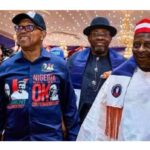
The unveiling of the Nigeria Democratic Congress (NDC) presidential campaign council ahead of the 2027 general elections has raised fresh questions about political inclusion, grassroots mobilisation and the role of influential members of the Obidient movement in Peter Obi’s presidential ambition.


Although the party has assembled a campaign structure featuring prominent political figures, the absence of some outspoken supporters who played significant roles in promoting Obi’s political movement has attracted attention within political circles.
Among the notable personalities missing from the published campaign council are Dr. Moses Paul, popularly known as Dr. Mo; Aisha Yesufu; Precious Oruche, also called Mama Pee; Peter Akah, widely known as Randy Peterz; and Isaac Fayose, younger brother of former Ekiti State Governor Ayodele Fayose.
The development has introduced another dimension to discussions surrounding the NDC’s preparations for the presidential election, particularly the challenge of integrating grassroots activists, digital campaigners and established politicians into a coordinated national campaign.
Dr. Moses Paul’s absence is particularly noteworthy because of his leadership responsibilities within the Obidient movement. Having emerged as a prominent organiser during Obi’s 2023 presidential campaign, he was appointed National Coordinator of the movement in October 2026. His omission from the council has consequently raised questions about how the party intends to integrate the movement’s existing leadership into its election machinery.
Similarly, the exclusion of Aisha Yesufu has attracted attention because of her longstanding political activism and public support for Obi. Yesufu, who participated in the 2023 presidential campaign and subsequently joined the NDC, remains one of the recognisable voices associated with the Obidient movement. Her absence from the council is significant given her history of political advocacy and public mobilisation.
Precious Oruche, popularly called Mama Pee, and Peter Akah, known as Randy Peterz, are also among the influential supporters whose names did not appear on the published list. Both have maintained visible roles in online political engagement, promoting Obi’s political message and encouraging participation among supporters.
Isaac Fayose’s omission has equally generated interest because of his previous public declarations of support for Obi. Fayose has spoken about committing personal resources and providing facilities for political activities associated with the Obidient movement during the 2023 election period.
Meanwhile, the NDC campaign council is headed by former Bayelsa State Governor and party national leader, Senator Seriake Dickson, as chairman, with Peter Obi serving as co-chairman. Other senior figures include Rabiu Musa Kwankwaso, Cleopas Moses Zuwoghe and Ibrahim Hussain Abdulkarim, who has been appointed Director-General of the presidential campaign.
Beyond the missing personalities, the composition of the council has also attracted criticism from the Obi-Kwankwaso movement, which questioned whether some of those appointed possess the grassroots political structures required to deliver electoral victories across Nigeria.
Political observers believe the controversy highlights a major challenge confronting the NDC: balancing the influence of established politicians with the enthusiasm of grassroots supporters who helped transform the Obidient movement into a formidable political force during the 2023 presidential election.
However, the absence of the five personalities from the initial campaign council does not necessarily establish that they have been sidelined, withdrawn their support or fallen out with Obi. The party could still engage them through other campaign platforms, support groups or subsequent appointments.
As preparations intensify for the 2027 presidential election, attention will increasingly focus on whether the NDC can reconcile different political interests, strengthen its nationwide structures and sustain the enthusiasm of supporters who have remained committed to Obi’s presidential ambition.
Ultimately, the effectiveness of the NDC campaign may depend not merely on the prominence of names announced in its council, but on its ability to convert political goodwill, grassroots mobilisation and digital influence into measurable electoral support across the country.


