



The Federal Government has reassured Nigerians that the newly introduced tax reforms are designed to make life easier for ordinary citizens, not harder.
Speaking at an interactive session with journalists and influencers in Lagos, the Chairman of the Presidential Fiscal Policy and Tax Reforms Committee, Taiwo Oyedele, said the new laws will lower taxes for average Nigerians while making the system simpler and fairer.
“Our focus is to reduce the tax burden on the masses, stop multiple taxes, and create a system that is fair and business-friendly,” Oyedele explained.
What the New Tax Laws Mean for You

No Tax for Low-Income Earners: People earning minimum wage or low salaries will not pay personal income tax. Middle earners will pay less, while only high-income earners (about 3% of the population) will pay more, up to 25% of their income.

Essential Goods Remain Tax-Free: Items such as food, education, and healthcare are exempted from VAT, keeping prices affordable.
Small Businesses Get Relief: Businesses earning less than ₦100 million yearly will not pay company tax or VAT. This is meant to support small traders, artisans, and startups.
No Automatic Tax on Bank Accounts: Having a Tax ID is only required for business purposes like opening company bank accounts. Money flowing into personal accounts will not be taxed automatically.
Fewer Taxes Overall: The government is cutting down over 60 different taxes and levies to less than 10, ending multiple charges that frustrate citizens and businesses.
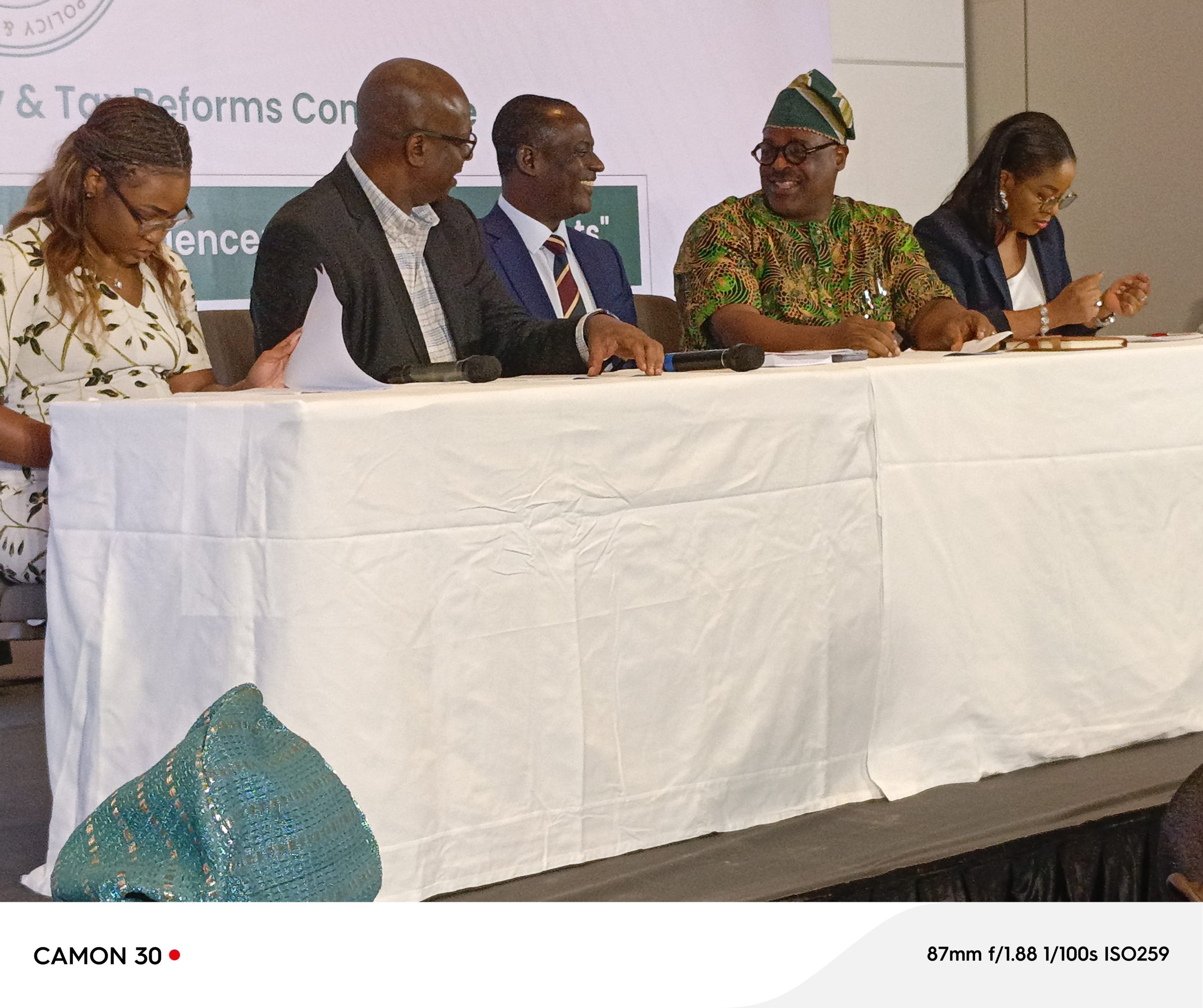
Oyedele stressed that the government is not introducing new taxes on people who never paid tax before. “We are not bringing new taxes on ordinary Nigerians. Instead, we are simplifying the system to make it fairer and to encourage growth,” he said.
The Committee promised continuous consultation with citizens and businesses to ensure the reforms are well understood and fairly applied. Nigerians were encouraged to seek credible information and avoid rumours about the changes.
For more details, citizens can visit fiscalreforms.ng, WhatsApp 08109753151, or follow @fiscalreformsng on X (Twitter).


