



2027: Atiku Faces Fresh Political Storm as EFCC Reopens Corruption Probe
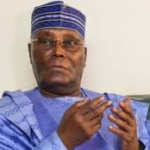
By Akin Alade | The Nigeria Standard


Barely months before Nigeria’s 2027 general elections, former Vice President Atiku Abubakar is facing renewed scrutiny over allegations dating back nearly two decades, following the decision of the Economic and Financial Crimes Commission (EFCC) to revisit a corruption investigation conducted during the administration of former President Olusegun Obasanjo.
The development introduces another dimension to the political calculations surrounding the 2027 presidential contest, as the anti-graft agency examines a petition seeking the revival of its September 2006 investigation into alleged financial misconduct involving the former vice president. The renewed inquiry comes at a time when Atiku remains a prominent figure in Nigeria’s opposition politics.
The latest move followed a petition submitted by former House of Representatives member, Hon. Ehiozuwa Johnson Agbonayinma, through his legal representative, Chief Hannibal Egbe Uwaifo, SAN. The petition, dated August 27, 2026, and received by the EFCC on September 1, requested that the commission revisit its earlier findings and determine whether grounds exist for further legal action against Atiku.
In a significant development, Agbonayinma appeared before EFCC investigators at the commission’s headquarters in Jabi, Abuja, on October 12, where he formally adopted his petition and responded to questions concerning the allegations. The engagement signals renewed investigative attention to a controversy that has remained unresolved for years.
The petition specifically referred to an investigation conducted under former EFCC Chairman Mallam Nuhu Ribadu between 2005 and 2006, as well as a February 2010 report by the United States Senate Permanent Subcommittee on Investigations. Agbonayinma argued that the documents contained allegations requiring further examination and should not be abandoned merely because of the passage of time.
According to the former lawmaker, the anti-corruption agency had previously indicated that prosecution could be considered after Atiku left office and ceased to enjoy constitutional immunity. He questioned why the matter had not resulted in prosecution and maintained that reopening the case would demonstrate the commission’s commitment to accountability, irrespective of political influence or social standing.
The controversy is rooted partly in earlier investigations into the management of Petroleum Technology Development Fund (PTDF) resources and financial transactions examined during Atiku’s tenure as vice president. The former vice president previously challenged the investigations, describing them as politically motivated, while a Senate committee reviewing the PTDF matter reported that it found no direct evidence of personal enrichment.
The renewed investigation is likely to generate political debate because of its timing, particularly as opposition parties intensify preparations for the 2027 elections. Although the petition raises questions about accountability, the timing could also invite scrutiny over whether anti-corruption investigations involving influential political figures are conducted independently and without partisan considerations.
Atiku has previously maintained that he was never convicted despite investigations conducted during the Obasanjo administration. Responding to the renewed allegations in September, he challenged anyone possessing credible evidence of wrongdoing to present it before the appropriate authorities. His position underscores the distinction between allegations contained in investigative reports and criminal responsibility established through judicial proceedings.
Agbonayinma also disclosed that he had approached United States President Donald Trump, requesting attention to historical financial investigations involving the former vice president. However, the existence of earlier investigative reports does not automatically establish criminal guilt, and any decision to prosecute would require sufficient admissible evidence and compliance with applicable laws.
As the controversy unfolds, attention will turn to whether the EFCC’s renewed examination produces fresh evidence, leads to formal charges or concludes without prosecution. No new criminal charge or conviction arising from the reopened inquiry has been established in the available reporting.
For Atiku, the development represents another test of his political resilience ahead of 2027. For the EFCC, it presents an opportunity to demonstrate that its investigations are guided by evidence, due process and the rule of law rather than political pressure. Ultimately, the outcome could influence public perceptions of both the former vice president and Nigeria’s anti-corruption institution


