



Peter Obi’s 2023 Election Claim Faces Fresh Evidence Question Ahead of 2027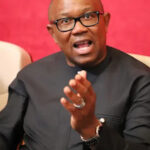
Peter Obi’s repeated claim that he won the 2023 presidential election has returned to the centre of Nigeria’s political debate after the former Labour Party presidential candidate acknowledged in a BBC interview that he has no evidence to substantiate the assertion.

Obi, who is now the presidential candidate of the Nigeria Democratic Congress (NDC) for the 2027 election, nevertheless maintained that he believes he won the 2023 contest. His latest comments have renewed attention on the difference between a politician’s conviction about an election outcome and the evidence required to establish such a claim through Nigeria’s electoral and judicial processes.

The 2023 presidential election was officially won by Bola Tinubu of the All Progressives Congress (APC), who polled 8,794,726 votes. Atiku Abubakar of the Peoples Democratic Party (PDP) came second with 6,984,520 votes, while Obi, who contested on the Labour Party platform, recorded 6,101,533 votes, according to results declared by INEC.
Obi and Atiku challenged the presidential election outcome in court, with Obi’s petition alleging electoral irregularities and other violations. The Presidential Election Petition Court dismissed the challenge in September 2023, while the Supreme Court subsequently upheld Tinubu’s victory in October of the same year.
The latest controversy stems from Obi’s response when he was asked whether he had evidence to support his assertion that he won the election. According to reports of the BBC interview, he acknowledged that there was no evidence but immediately maintained his position that he had won.
That statement puts the evidentiary question back into the spotlight, particularly because the courts had already considered Obi’s legal challenge. The issue is therefore no longer simply about whether Obi continues to believe he won, but about what documentary, polling-unit or legally admissible evidence could establish a different result from the one officially declared and subsequently upheld by the courts.
The timing is also significant. Obi is preparing for another presidential contest in 2027, now under the NDC, and has previously said he would accept defeat if the next election is free, fair and credible. His September remarks indicated that his focus is on the credibility of the electoral process and ensuring that voters’ choices are respected.
Obi has also urged the media to push political parties and candidates towards issue-based campaigns ahead of 2027. Speaking at the All Nigeria Editors Conference, he called for campaigns centred on governance, security, unity and economic development rather than personal attacks and political distractions.
His latest comments, however, are likely to keep the 2023 election in the political conversation as the country moves closer to another presidential contest. The question for voters and observers is whether the debate will remain centred on the disputed past or shift towards the policies, programmes and electoral safeguards that candidates are proposing for 2027.
Meanwhile, the legal record on the 2023 presidential election remains unchanged: INEC declared Tinubu the winner, the Presidential Election Petition Court dismissed Obi’s challenge, and the Supreme Court upheld the result. Obi’s continuing belief that he won represents his political position and does not alter those judicial determinations.


