

South Africa to Bill Nigeria, Other Countries for Deportation Costs in Major Immigration Crackdown


South Africa to Bill Nigeria, Other Countries for Deportation Costs in Major Immigration Crackdown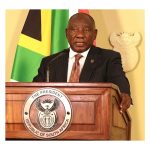
By Akin Alade
South Africa has announced plans to seek reimbursement from foreign governments, including Nigeria, for the cost of deporting their citizens who violate the country’s immigration laws, a move that could reshape migration and diplomatic relations across Africa. The proposal comes as authorities intensify efforts to tackle illegal immigration and manage rising deportation expenses.
According to South Africa’s Department of International Relations and Cooperation (DIRCO), the government is considering a cost-recovery framework that would require countries to bear the financial burden of repatriating their nationals who are detained, imprisoned, or deported for immigration-related offences. Officials say more than 100,000 undocumented migrants have been deported over the past two years, creating significant costs for the South African government.

Government spokespersons argued that recent evacuation exercises by several African countries demonstrate that foreign governments have the capacity to take responsibility for their citizens abroad. Under the proposal, countries whose nationals are found to have violated South African immigration laws could be billed for detention, transportation, and deportation expenses.

The development comes amid growing anti-immigration sentiment and xenophobic attacks in parts of South Africa that have forced thousands of African migrants to seek safety or return to their home countries. Nigeria, Ghana, Malawi, Mozambique, and other nations have recently organized repatriation programmes for affected citizens.
Nigeria recently received hundreds of citizens evacuated from South Africa following concerns over rising hostility toward foreign nationals. Reports indicate that more than 1,000 Nigerians registered interest in voluntary return programmes as fears over xenophobic violence escalated.
South African President Cyril Ramaphosa has defended the country’s efforts to enforce immigration laws while condemning vigilante attacks against migrants. He has maintained that immigration enforcement remains the responsibility of state authorities and not private groups or protesters.
However, an important clarification later emerged from DIRCO. Officials stated that billing foreign governments for deportation costs remains a proposal under discussion and has not yet been adopted as official government policy. The department said consultations are ongoing as authorities explore various options for strengthening immigration management and international cooperation.
Analysts believe that if implemented, the policy could have significant diplomatic and financial implications for countries with large migrant populations in South Africa. It could also trigger broader discussions within the African Union and regional bodies about migration management, deportation responsibilities, and the protection of citizens living abroad.
As debates over immigration, border control, and xenophobia continue, African governments are expected to closely monitor South Africa’s next steps and engage in diplomatic discussions aimed at balancing national sovereignty, regional cooperation, and the rights of migrants across the continent.


