

Iran Launches Missile Attack on Israel as Middle East Conflict Hits 100 Days


Iran Launches Missile Attack on Israel as Middle East Conflict Hits 100 Days
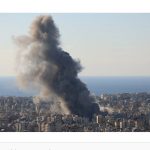
The Middle East conflict entered its 100th day with renewed violence after Iran launched missile attacks against Israel in retaliation for Israeli airstrikes targeting Hezbollah-linked positions in Beirut, raising fears of a broader regional war.
The latest escalation followed Israeli strikes on southern Beirut, which reportedly resulted in casualties and heightened tensions across the region. In response, Iran fired multiple ballistic missiles toward northern Israel, marking one of the most significant confrontations since a fragile ceasefire was established earlier this year.
Israeli authorities said most of the incoming missiles were intercepted or landed in uninhabited areas, while emergency sirens sounded across several northern communities. Iranian military officials described the attack as a direct response to what they called continued aggression against their allies in Lebanon.

The conflict has intensified concerns among world leaders, with diplomatic efforts to transform the temporary ceasefire into a lasting peace agreement repeatedly facing setbacks. Iran has maintained that any permanent settlement must address ongoing military operations in Lebanon, where Israel continues to target Hezbollah positions.

International observers warn that the renewed hostilities could further destabilize the region, especially as tensions between Israel and Iran continue to spill across multiple fronts. The crisis has also affected global markets, with rising oil prices and concerns over security around critical shipping routes in the Gulf region.
Meanwhile, the United States has urged restraint from both sides while continuing diplomatic engagement aimed at preventing a full-scale regional conflict. Reports indicate that American forces have also responded to security threats in strategic waterways as tensions remain high.
Security analysts believe the latest exchange of fire underscores the fragile nature of existing ceasefire arrangements and highlights the challenges facing international mediators seeking a sustainable peace in the Middle East.
As the conflict enters a new phase, attention is focused on whether diplomatic channels can prevent further escalation or if the region is heading toward a wider confrontation involving multiple state and non-state actors.
The coming days are expected to be critical as regional powers, global allies, and international organizations intensify efforts to contain the crisis and avert a prolonged conflict with far-reaching humanitarian and economic consequences.


