

Empowering Ikeja’s Youth, Restoring Its Soul: Comrade Oluwadamilare Bashir’s Community Vision

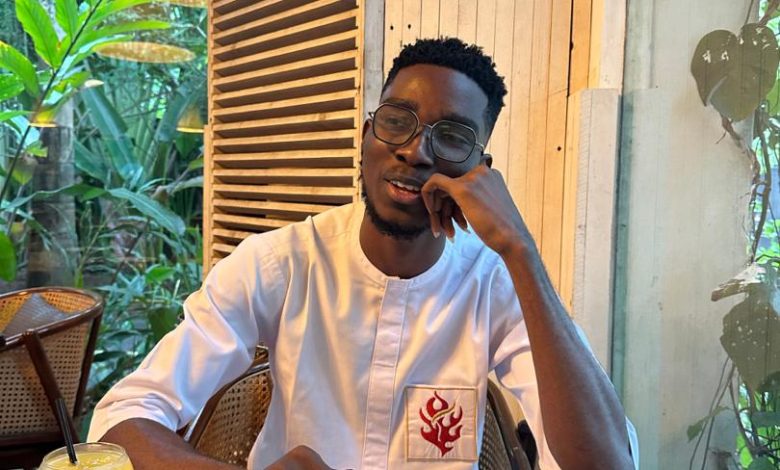

For Comrade Oluwadamilare Sonayon Adebowale Bashir, youth empowerment is not a slogan it is the foundation upon which Ikeja’s future must be built.
He believes the true strength of Ikeja lies in its young people, many of whom remain talented, energetic and creative, yet underserved and underutilised. His work and advocacy are therefore centred on equipping youths not just to survive, but to lead, innovate and contribute meaningfully to community development.
Bashir’s vision prioritises practical empowerment, skills acquisition, entrepreneurship support, creative industry development, digital and technology training, and mentorship pipelines that connect young people to real opportunities. To him, empowerment must be sustainable focused on capacity, not charity.
By deliberately linking youth development with culture and tourism, he promotes a self-sustaining cycle in which heritage creates jobs, tourism fuels local enterprise, and empowered youths become both custodians of tradition and drivers of economic growth.

This people-centred vision is deeply rooted in Bashir’s identity as a Comrade a grassroots advocate who believes leadership begins with service, organisation and community listening.

His roots run deep into the soul of Lagos. From the Agboworin family of Alausa, Ikeja, and maternally descended from the historic Agosu dynasty of Ajido, Badagry, his lineage is woven into the cultural and civic evolution of the state.
This heritage is not ornamental it is lived and carried with responsibility.
He is the grandson of the late Pa Emmanuel Agosu, a revered pioneer broadcaster who broke barriers by bringing the Egun dialect to radio and television, earning lasting affection as Baba Jakande doo. Through iconic programmes such as “Soo-Da-Be?”, Pa Agosu gave language and cultural identity a public voice an enduring legacy that continues to inspire Bashir’s commitment to community advocacy.
Beyond ancestry, Bashir is widely recognised as a complete Lagosian shaped by diversity, resilience and shared history. He has consistently expressed concern over the gradual erosion of Ikeja’s indigenous voice, noting that cultural visibility and traditional continuity have weakened over time.
His advocacy places culture at the centre of renewal not as nostalgia, but as a viable social and economic force. He supports collaboration with traditional rulers, historians, creatives and cultural institutions to revive festivals, cultural landmarks, museums, indigenous art spaces and storytelling platforms that strengthen identity and boost local tourism.

At the heart of this cultural concern lies a significant absence for more than 11 years, Ikeja has been without a monarch.
Bashir has repeatedly called for a credible, inclusive and transparent process to restore the stool, seeing traditional leadership as an anchor for unity, cultural pride and collective memory.
In many ways, Comrade Oluwadamilare Bashir represents a Lagos tradition of community leadership that listens, remembers and builds with purpose. For Ikeja, he stands not as a figure of power, but as a bridge between generations connecting youth empowerment, cultural preservation and sustainable community growth.
Above all, his message is simple and consistent: “empower the people, and the community will rise”.


