



Tinubu Ends Saudi Visit, Prays for Nigeria’s Peace, Unity and Prosperity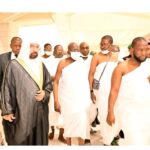
By Akin Alade


President Bola Ahmed Tinubu has concluded his spiritual visit to Saudi Arabia with a renewed declaration of commitment to Nigeria’s peace, unity, economic recovery and national development, saying he dedicated his prayers at the Holy Kaaba in Makkah to the well-being of millions of Nigerians.
The President, who performed the lesser Hajj, popularly known as Umrah, described the pilgrimage as a spiritually significant experience that strengthened his determination to continue serving the country despite its prevailing economic and security challenges.
Tinubu announced the conclusion of his visit on Monday, November 2, 2026, through his verified social media account, expressing appreciation to the Saudi Arabian authorities for granting him and members of his delegation the rare privilege of entering the Holy Kaaba, Islam’s most sacred structure.
The Nigerian leader said the opportunity provided a moment of reflection on the enormous responsibilities of leadership and the need for divine guidance in navigating the country’s challenges.
According to him, his prayers centred on national unity, peaceful coexistence, economic prosperity and a brighter future for Nigerians.
“In those sacred moments, I prayed for peace, unity and prosperity for our dear nation and for all Nigerians,” Tinubu declared.
Tinubu Seeks Divine Guidance Amid Nigeria’s Challenges
The President’s spiritual journey comes at a critical period in Nigeria’s political and economic development, with citizens continuing to express concerns about the cost of living, unemployment, insecurity and the impact of ongoing government reforms.
Against this background, Tinubu’s decision to dedicate his pilgrimage to national prayers underscores the spiritual dimension of his approach to leadership and his stated belief in divine intervention.
During the visit, the President also prayed for wisdom, resilience and strength to discharge his responsibilities as Nigeria’s Commander-in-Chief.
He expressed confidence that his prayers had been answered, while reaffirming his determination to pursue policies capable of strengthening the nation’s economic foundations.
Tinubu maintained that Nigeria’s economic recovery remained a major priority of his administration, expressing optimism that ongoing reforms would eventually translate into improved living conditions and sustainable national prosperity.
Rare Access to Holy Kaaba Marks Historic Moment
One of the highlights of the President’s visit was the special permission granted to him and his delegation to enter the Holy Kaaba, situated within the Grand Mosque in Makkah.
Access to the interior of the sacred structure is highly restricted, making the opportunity particularly significant for visiting dignitaries.
Tinubu described the experience as an extraordinary honour and expressed gratitude to the Custodian of the Two Holy Mosques, King Salman bin Abdulaziz Al Saud, and Saudi Crown Prince and Prime Minister Mohammed bin Salman.
He praised the Saudi leadership for the hospitality and recognition extended to the Nigerian delegation.
The President noted that the gesture further demonstrated the longstanding friendship, religious connections and diplomatic relationship between Nigeria and Saudi Arabia.
Beyond its spiritual importance, the visit also highlighted the relationship between the two countries, particularly in religious affairs, economic cooperation and diplomatic engagement.
President Reaffirms Commitment to Nigeria’s Economic Future
Speaking on Nigeria’s development prospects during the pilgrimage, Tinubu maintained that his administration had established the foundation for long-term economic recovery.
He expressed confidence in the country’s ability to overcome its current difficulties and achieve sustainable growth.
The President also emphasised the importance of investing in young Nigerians, describing youth development as a fundamental responsibility of political leadership.
He argued that the success of any administration should ultimately be measured by the opportunities and future it creates for succeeding generations.
Tinubu further reaffirmed his commitment to what he described as “Project Nigeria,” promising to remain focused on policies designed to promote prosperity, economic opportunities and national advancement.
His remarks reflected the administration’s position that difficult economic decisions taken in recent years were necessary to reposition the country for sustainable development.
However, the broader challenge remains translating government assurances into measurable improvements in purchasing power, employment opportunities, infrastructure and public security.
Nigerian Governors, Ministers Accompany President
The spiritual visit attracted several prominent government officials and business leaders who joined the President in Makkah.
Among those in the delegation were Attorney-General of the Federation and Minister of Justice, Lateef Fagbemi; Coordinating Minister of Health and Social Welfare, Professor Muhammad Ali Pate; and governors from Borno, Sokoto, Jigawa, Kaduna, Yobe and Kwara states.
Prominent business figures, including BUA Group Chairman Abdul Samad Rabiu and Oando Chief Executive Officer Wale Tinubu, were also part of the delegation.
The presence of senior government officials and business leaders reflected the significance attached to the visit.
Saudi Visit Reinforces Nigeria’s International Relationships
Nigeria and Saudi Arabia have maintained diplomatic and religious relations spanning several decades, with thousands of Nigerian Muslims travelling annually to the kingdom for Hajj and Umrah.
The two countries also share interests in investment, energy, trade and international cooperation.
Tinubu’s appreciation of the Saudi leadership highlighted the importance of sustaining these bilateral relationships while exploring opportunities that could contribute to Nigeria’s economic development.
His visit further provided an opportunity to acknowledge the cultural and religious connections that continue to shape relations between both countries.
Nigerians Await Practical Results of Government’s Promises
While the President’s prayers for peace, unity and prosperity carry significant spiritual meaning, the expectations of Nigerians remain firmly connected to improvements in their daily lives.
Across the country, concerns about food prices, transportation costs, electricity supply, employment opportunities and security continue to dominate public discussions.
For many citizens, the ultimate measure of the administration’s commitment to national prosperity will be its ability to deliver tangible economic relief, strengthen public institutions and create an environment where businesses and households can thrive.
The President’s renewed declaration of commitment therefore comes with heightened expectations that the government’s economic policies will produce broader benefits for ordinary Nigerians.
As the country approaches another crucial electoral period, questions surrounding leadership performance, economic stability and national unity are expected to remain central to political discussions.
Tinubu’s Saudi Arabian pilgrimage may have provided an opportunity for spiritual reflection, but the task of translating his prayers and promises into practical governance outcomes remains a defining responsibility of his administration.
For the President, the message from Makkah was one of faith, renewed determination and optimism about Nigeria’s future.
For millions of Nigerians, the hope is that the peace, unity and prosperity he prayed for will become visible realities in their communities, workplaces and households.


