

2027: Petrol Discount Sparks Accountability Debate as Atiku Questions Tinubu’s NNPC Strategy


2027: Petrol Discount Sparks Accountability Debate as Atiku Questions Tinubu’s NNPC Strategy
By Akin Alade


Nigeria’s 30-day petrol discount has opened a fresh debate over economic accountability, fuel pricing and the sustainability of government interventions ahead of the 2027 general elections, with former Vice-President Atiku Abubakar questioning whether the initiative offers genuine relief or merely postpones the hardship facing millions of Nigerians.
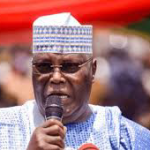
Atiku, the African Democratic Congress (ADC) presidential candidate, accused President Bola Tinubu’s administration of turning the Nigerian National Petroleum Company Limited (NNPC Ltd) into a political spectacle through the temporary reduction in petrol prices. He argued that the government should explain how the arrangement would operate, who would ultimately bear its cost and what measures would protect consumers after the discount expires. <Entity value=”THISDAY” category=”organization” disambig=”Nigerian newspaper”/> reported the criticism on October 11, 2026.
The controversy centres on the Federal Government’s decision to introduce a temporary petrol price reduction at NNPC retail outlets amid rising fuel costs and growing pressure on household budgets. Finance Minister Taiwo Oyedele has defended the arrangement, describing it as a commercial decision under which NNPC Retail temporarily sacrifices its profit margin rather than a return to the former fuel subsidy regime. The government says the arrangement is intended to cushion the impact of high petrol prices on commuters, transport operators and businesses.
Atiku, however, maintains that a short-term discount cannot replace a sustainable petroleum pricing framework. He has contrasted the administration’s intervention with his proposal for targeted production support linked to petroleum products refined locally. According to the former vice-president, such an approach could provide more enduring relief while supporting domestic refining. His position has intensified the policy debate, although the feasibility, financing and potential market effects of the competing proposals require careful scrutiny.
The key question is whether the discount will translate into meaningful savings beyond the petrol station. Fuel prices influence transportation, food distribution, manufacturing and the operating costs of small businesses, while households that depend on petrol-powered generators face additional pressure. Even where motorists benefit directly from lower pump prices, the broader economic impact will depend on the duration of the intervention, its reach and whether transport operators pass their savings on to passengers.
Another issue is the structure of Nigeria’s deregulated downstream petroleum market. NNPC Retail’s decision to reduce its margin raises questions about competition with independent marketers, who may face pressure to match lower prices without comparable room to absorb reduced earnings. A temporary price advantage could attract customers to participating outlets, but its wider implications will depend on the commercial terms, transparency and treatment of other market participants.
The debate also highlights the importance of distinguishing a retailer-funded discount from a government-funded subsidy. Oyedele has maintained that NNPC Retail is bearing the cost by temporarily reducing its profit margin and that public funds are not being committed to the arrangement. Atiku and other critics, meanwhile, have questioned the policy’s sustainability and demanded clarity about what happens after the initial 30-day period. Public disclosure of the financing arrangements, implementation conditions and exit strategy would help Nigerians assess the claims.
With the 2027 elections approaching, the petrol discount has become a test of how the government responds to economic hardship and how opposition candidates present alternatives. Tinubu’s administration must demonstrate that its intervention can deliver measurable relief without creating hidden financial liabilities or distorting competition. Atiku, for his part, faces the task of explaining how his proposed production-support model would be financed, targeted and monitored to ensure that benefits reach ordinary Nigerians.
Ultimately, the most important measure of the policy will be its impact on the cost of living rather than the political arguments surrounding its introduction. Nigerians need predictable fuel prices, more affordable transportation, lower business costs and policies that can withstand changes in the political calendar. As the 2027 campaign gathers momentum, the debate over the NNPC discount is likely to remain part of a broader public demand for transparent decisions, credible economic plans and lasting improvements in living standards.


