

Senate Again Rejects PFIPC Probe as Atiku Criticises FG Over N6.44bn World Cup Budget


Senate Again Rejects PFIPC Probe as Atiku Criticises FG Over N6.44bn World Cup Budget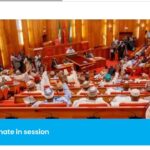
The Senate has once again rejected a motion seeking an investigation into the activities of the Police Force Indigenous Procurement and Projects Committee (PFIPC), even as former Vice President Atiku Abubakar criticised the Federal Government over the proposed N6.44 billion budget for the 2026 FIFA World Cup.


The renewed call for a probe of the PFIPC was debated during plenary but failed to secure the Senate’s approval, marking another setback for lawmakers advocating a comprehensive investigation into the committee’s operations.
The development comes amid ongoing public debate over the legality and activities of the PFIPC following allegations surrounding its operations.
Meanwhile, Atiku faulted the Federal Government’s decision to earmark N6.44 billion for Nigeria’s participation in the 2026 FIFA World Cup, describing the expenditure as inappropriate at a time when many Nigerians are grappling with economic hardship.
The former presidential candidate argued that the government should prioritise investments in critical sectors such as healthcare, education, security and infrastructure instead of committing substantial public funds to the football tournament.
According to Atiku, prudent management of public resources remains essential to addressing the country’s economic challenges and improving citizens’ welfare.
He urged the Federal Government to review its spending priorities and channel available resources toward programmes capable of delivering direct economic and social benefits to Nigerians.
The controversy over the World Cup budget has generated mixed reactions, with some stakeholders defending the allocation as necessary for Nigeria’s international sporting engagements, while others insist that the funds should be redirected to more pressing national needs.
The twin developments have further intensified public discourse on fiscal responsibility, government spending and institutional accountability as the country continues to implement economic reforms.


