



Rivers 2027: Wike, Fubara Talks Spark Power-Sharing Questions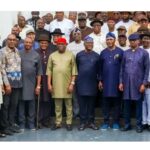
PORT HARCOURT — The political landscape of Rivers State may be witnessing another significant realignment following a fresh meeting between the Minister of the Federal Capital Territory, Nyesom Wike, and Governor Siminalayi Fubara, raising questions about the future of political alliances, power sharing and governance in the oil-rich state ahead of the 2027 general elections.

The closed-door meeting, held at Governor Fubara’s private residence in Port Harcourt on Sunday, brought together influential political stakeholders, including the Speaker of the Rivers State House of Assembly, Martin Amaewhule, members of the legislature, chairmen of the state’s 23 local government areas and the All Progressives Congress governorship candidate, Kingsley Chinda. The gathering represents another major attempt to rebuild political relationships damaged by more than two years of intense rivalry.

Beyond the public display of reconciliation, the renewed engagement has generated considerable political interest over whether Wike and Fubara are gradually finding common ground on the distribution of political influence ahead of 2027. Although the details of the discussions remain undisclosed, the involvement of key figures from both camps suggests that efforts to achieve a broader political understanding are continuing.
The latest meeting followed an earlier engagement involving members of the Rainbow Coalition and political loyalists of both leaders. Observers believe the frequency of these consultations could signal a determination to prevent another round of political confrontation that might undermine governance, legislative cooperation and preparations for the next general elections.
The relationship between Wike and Fubara deteriorated shortly after the latter assumed office, resulting in a prolonged struggle for political control, legislative divisions, impeachment threats and repeated interventions by President Bola Ahmed Tinubu. The crisis eventually contributed to the declaration of a state of emergency in Rivers State in March 2025, during which the governor, his deputy and members of the state legislature were temporarily suspended before their eventual reinstatement.
However, the emerging reconciliation process presents another political question: how will Fubara’s supporters be accommodated within the existing political arrangement, particularly with Chinda already identified as the APC governorship candidate for the 2027 election? The answer could determine whether the renewed understanding develops into lasting political cooperation or merely provides temporary relief from longstanding disagreements.
The presence of Amaewhule and the local government chairmen is particularly significant, considering the central roles played by the legislature and grassroots political structures during the crisis. Improved relations between the governor and lawmakers could strengthen executive-legislative cooperation, facilitate governance and reduce the political uncertainty that has affected the state.
At the conclusion of the meeting, the political leaders were seen exchanging greetings and smiles, presenting an atmosphere markedly different from the hostility that previously characterised their relationship. Nevertheless, the friendly public appearances do not necessarily establish that all outstanding political disagreements have been resolved.
As Rivers State moves closer to the 2027 elections, attention will increasingly focus on whether Wike and Fubara can translate their renewed engagements into a sustainable political settlement. For residents of the state, the ultimate measure of reconciliation will not simply be photographs of political leaders shaking hands, but the restoration of stable governance, effective representation and an environment that allows development to take priority over political rivalry.


