

Rising Container Shipping Costs Threaten Trade Growth in Nigeria and West Africa


Rising Container Shipping Costs Threaten Trade Growth in Nigeria and West Africa
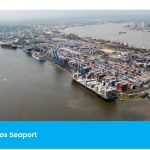
Nigeria and several West African countries are facing mounting challenges from high container shipping costs, a development experts say could undermine regional trade, increase the cost of goods, and slow economic growth.
Industry stakeholders have expressed concern over the persistent rise in freight charges, noting that businesses across the region are grappling with escalating logistics expenses that are ultimately passed on to consumers.

According to maritime and trade experts, container shipping costs in West Africa remain significantly higher than in many other regions due to a combination of factors, including port congestion, inadequate infrastructure, regulatory bottlenecks, security concerns, and limited shipping competition.

The situation has placed additional pressure on importers, exporters, manufacturers, and small businesses that rely heavily on international trade. Many operators argue that the increased cost of moving goods has reduced competitiveness and made regional products less attractive in global markets.
Analysts warn that sustained high shipping costs could negatively affect the implementation of the African Continental Free Trade Area (AfCFTA), which aims to boost intra-African trade and economic integration. Efficient and affordable logistics remain critical to achieving the objectives of the landmark trade agreement.
Experts also pointed to delays in cargo clearance, high port charges, and infrastructure deficits as major contributors to the elevated cost of container transportation across the region. They emphasized the need for governments and maritime authorities to accelerate reforms aimed at improving efficiency and reducing operational costs.
In Nigeria, stakeholders have called for greater investment in port modernization, digitalization of customs procedures, improved road and rail connectivity, and enhanced regulatory coordination to strengthen the country’s position as a regional trade hub.
Maritime operators believe that reducing shipping costs would stimulate commerce, attract investment, support industrial growth, and lower the prices of imported goods for consumers.
The development comes at a time when governments across West Africa are seeking ways to diversify their economies, expand exports, and strengthen regional value chains.
Industry leaders maintain that addressing structural challenges within the maritime sector will be essential to lowering logistics costs and unlocking the full potential of trade and economic development across Nigeria and the wider West African region.


