

Lekki Residents Raise Alarm Over Flooding, Demand Urgent Action on Coastal Highway Drainage Concerns


Lekki Residents Raise Alarm Over Flooding, Demand Urgent Action on Coastal Highway Drainage Concerns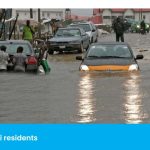
Residents of several communities in the Lekki axis of Lagos State have called for urgent government intervention following severe flooding allegedly linked to ongoing construction activities around the Lagos-Calabar Coastal Highway project.
The residents expressed concern over the increasing flooding incidents affecting homes, roads, estates, and businesses after heavy rainfall, warning that the situation could worsen if immediate corrective measures are not taken.
Many affected residents claimed that changes to natural water channels, drainage pathways, and land formations associated with major infrastructure developments in the area may have contributed to the flooding challenges currently being experienced across parts of Lekki and surrounding communities.
The complaints come amid growing public debate over the environmental impact of the Lagos-Calabar Coastal Highway, one of the Federal Government’s most ambitious infrastructure projects designed to improve transportation, trade, tourism, and regional connectivity along Nigeria’s coastal corridor.

Residents argued that while infrastructure development is important, adequate attention must also be given to drainage systems, environmental protection, flood control measures, and the preservation of natural waterways to prevent unintended consequences on surrounding communities.


Several community leaders and property owners reportedly appealed to both the Federal Government and Lagos State Government to conduct comprehensive environmental assessments and urgently address drainage concerns affecting flood-prone areas.
The flooding has reportedly disrupted movement, damaged property, and raised fears among residents who worry that continued rainfall could expose more communities to environmental and economic losses.
However, government officials have maintained that the Lagos-Calabar Coastal Highway was designed with long-term flood resilience measures, including elevated pavement structures and underground drainage systems intended to withstand environmental pressures over several decades.
Authorities have also argued that blocked drainage channels, indiscriminate waste disposal, and vandalized drainage infrastructure remain major contributors to flooding in parts of Lagos. According to officials, some stormwater evacuation channels were obstructed by refuse and debris, limiting the free flow of water during periods of heavy rainfall.
Environmental experts, however, believe that flooding in rapidly expanding urban centers such as Lekki is often caused by a combination of factors, including climate change, inadequate drainage capacity, uncontrolled urban development, loss of wetlands, and pressure on existing infrastructure.
Urban planning stakeholders have therefore called for stronger collaboration between government agencies, engineers, environmental experts, estate developers, and affected communities to ensure that infrastructure expansion does not compromise environmental sustainability.
Observers say the latest concerns highlight the growing challenge of balancing aggressive infrastructure development with environmental protection in one of Nigeria’s fastest-growing urban corridors.
As rainfall intensifies across Lagos during the wet season, residents are urging authorities to prioritize flood mitigation measures, improve drainage networks, and provide lasting solutions capable of protecting lives, property, and investments across Lekki and adjoining coastal communities.


