



How to Prevent Kidney Disease: Essential Tips to Protect Your Kidney Health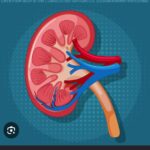
Kidneys are among the body’s most vital organs, yet they are often overlooked until they begin to fail. These bean-shaped organs work around the clock to filter waste products and excess fluid from the blood, regulate blood pressure, maintain the body’s electrolyte balance, support healthy bones, and stimulate the production of red blood cells. When the kidneys become damaged, these essential functions gradually decline, leading to chronic kidney disease (CKD), a condition that affects millions of people worldwide and is becoming an increasing public health concern in Nigeria.


Medical experts warn that chronic kidney disease often develops silently, with many patients experiencing little or no symptoms during its early stages. As a result, many people only discover they have kidney disease when significant and irreversible damage has already occurred. However, health professionals agree that the majority of kidney diseases can either be prevented or effectively managed through healthy lifestyle choices, early diagnosis, and proper treatment of underlying medical conditions.
High Blood Pressure and Diabetes: The Leading Causes of Kidney Failure
According to nephrologists, the two leading causes of chronic kidney disease are high blood pressure (hypertension) and diabetes mellitus. Both conditions damage the delicate blood vessels inside the kidneys, gradually reducing their ability to filter waste from the bloodstream.
People living with diabetes should maintain healthy blood sugar levels through proper medication, balanced nutrition, regular exercise, and routine medical check-ups. Likewise, individuals with hypertension should consistently monitor their blood pressure and follow prescribed treatment plans. The National Institute of Diabetes and Digestive and Kidney Diseases (NIDDK) identifies effective control of these two conditions as the single most important step in preventing kidney damage.
The Hidden Danger of Painkiller Abuse
Another major threat to kidney health is the excessive use of over-the-counter pain medications, particularly Non-Steroidal Anti-Inflammatory Drugs (NSAIDs) such as ibuprofen, diclofenac and naproxen.
While these medications provide temporary relief from pain and inflammation, prolonged or excessive use can reduce blood flow to the kidneys, leading to progressive kidney damage and, in severe cases, kidney failure.
Medical experts advise individuals who require long-term pain management to consult qualified healthcare professionals rather than relying on self-medication.
Eat Smart to Keep Your Kidneys Healthy
Nutrition plays a crucial role in protecting kidney function. A healthy diet rich in fruits, vegetables, whole grains, legumes, lean proteins and healthy fats helps reduce the risk of hypertension, diabetes and obesity—all of which contribute to kidney disease.
Health experts recommend limiting excessive salt consumption, reducing intake of processed and packaged foods, avoiding sugary drinks, and minimizing foods high in saturated fats. Lower salt intake helps control blood pressure while reducing the workload on the kidneys.
Maintaining a healthy body weight through proper nutrition also reduces the risk of developing chronic illnesses that can impair kidney function.
Hydration Matters
Water remains one of the kidneys’ greatest allies. Drinking adequate amounts of clean water helps the kidneys remove waste products, regulate body fluids and maintain proper electrolyte balance.
However, experts caution against excessive water consumption. While dehydration can harm the kidneys, drinking extremely large quantities of water without medical necessity does not provide additional health benefits. The goal should be maintaining adequate hydration based on age, activity level, climate and individual health conditions.
Exercise and Stop Smoking
Regular physical activity benefits not only the heart but also the kidneys. Engaging in at least 30 minutes of moderate exercise on most days helps lower blood pressure, improve blood sugar control, maintain a healthy weight and enhance overall cardiovascular health.
Smoking, on the other hand, significantly increases the risk of kidney disease. It damages blood vessels, reduces blood flow to the kidneys, accelerates the progression of existing kidney disease and increases the likelihood of kidney failure.
Health professionals strongly encourage smokers to quit as one of the most effective ways to protect both kidney and heart health.
Early Screening Can Save Lives
One of the greatest challenges in combating kidney disease is that early-stage chronic kidney disease often presents no obvious symptoms. This is why routine medical screening is essential, particularly for people considered to be at high risk.
Individuals over the age of 60, those living with diabetes or hypertension, people with obesity, and anyone with a family history of kidney disease should undergo regular kidney function tests.
Doctors commonly recommend the estimated Glomerular Filtration Rate (eGFR) blood test and the Albumin-to-Creatinine Ratio (ACR) urine test to detect kidney damage before symptoms become apparent. Early diagnosis allows for prompt intervention, slowing disease progression and improving long-term health outcomes.
A Shared Responsibility
Preventing kidney disease requires more than individual effort. Governments, healthcare institutions, employers and communities all have roles to play by promoting public awareness, expanding access to affordable screening programmes and encouraging healthier lifestyles.
Public health campaigns should continue educating Nigerians about the dangers of uncontrolled hypertension, diabetes, self-medication and unhealthy diets, while healthcare providers should prioritize routine kidney assessments for high-risk patients.
Protect Your Kidneys Before It’s Too Late
Kidney disease is often preventable, but prevention begins with awareness and personal responsibility. Maintaining healthy blood pressure and blood sugar levels, eating a balanced diet, drinking enough water, avoiding unnecessary painkiller use, exercising regularly, quitting smoking and undergoing periodic kidney screening can significantly reduce the risk of chronic kidney disease.
Ultimately, protecting your kidneys means protecting your overall health. Small lifestyle changes made today can preserve kidney function for decades, prevent life-threatening complications and improve quality of life. In the fight against kidney disease, prevention remains the most effective and affordable treatment.


