News

140m Nigerians in Poverty? What the Available Data Really Says About Peter Obi’s Claim


140m Nigerians in Poverty? What the Available Data Really Says About Peter Obi’s ClaimPeter Obi
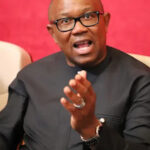
The claim that more than 140 million Nigerians are currently living in poverty has triggered renewed debate over the country’s economic condition, after presidential candidate Peter Obi used the figure in his Independence Day assessment of Nigeria’s development trajectory.

Obi, who is now the presidential candidate of the Nigeria Democratic Congress (NDC), argued that Nigeria’s major challenge is not a lack of resources but the failure of leadership to translate the country’s wealth into improved living standards, productivity and shared prosperity. He said more than 140 million Nigerians were living in poverty and severe hardship.

Advertisement

However, the central question arising from the claim is not simply whether Nigerians are experiencing severe economic hardship, but what poverty measure produced the 140 million figure, what year the underlying data represents, and whether it specifically measures multidimensional poverty.

A recent FactSpace West Africa fact-check found that Obi’s claim that “over 140 million Nigerians live in multidimensional poverty” remains unproven, largely because there is no current 2025 or 2026 Nigeria-specific multidimensional poverty dataset supporting that exact figure. The most recent official Nigerian multidimensional poverty assessment identified about 133 million people as multidimensionally poor in 2022.

The distinction is important. Multidimensional poverty is broader than income poverty and considers overlapping deprivations such as education, healthcare and access to basic services. Consequently, a figure describing people below a monetary poverty line should not automatically be presented as the number of Nigerians living in multidimensional poverty.

Available economic estimates, however, show that Nigeria’s poverty challenge remains substantial. FactSpace reported that the World Bank’s 2026 projection put the proportion of Nigerians living below its national poverty line at about 63 per cent, which would translate to more than 153 million people using the population figure cited in the report. PwC’s 2026 projection, meanwhile, put the figure at about 62 per cent, or approximately 141 million people.

Those figures help explain why the 140 million figure can appear plausible when discussing poverty generally. But they do not establish Obi’s specific assertion about multidimensional poverty, because the methodologies and reference periods are different.

The issue is not new. In 2022, Africa Check examined an earlier statement by Obi that about 100 million Nigerians were living in poverty and found that the available evidence at the time did not support the claim under the particular poverty measure he appeared to be invoking.

More recent analysis has similarly shown how different poverty benchmarks can produce substantially different numbers. A 2025 CableCheck review, for example, cited a World Bank estimate of about 129 million Nigerians living below a national poverty line, demonstrating why the definition and measurement period matter when large population figures are quoted.

The debate therefore goes beyond Peter Obi’s statement. It raises a larger question about how Nigeria’s economic performance should be assessed: through income poverty, multidimensional poverty, food insecurity, unemployment, household purchasing power, access to healthcare and education, or a combination of these indicators.

For policymakers and citizens, the quality of the underlying data is particularly important because poverty figures can influence public perception of economic policies and the assessment of government performance.

Obi’s broader argument—that Nigerians are facing serious economic difficulties—therefore sits alongside a more specific statistical question over the 140 million figure. Available evidence supports the conclusion that poverty affects a very large share of the Nigerian population, but the exact number depends heavily on the definition, methodology and year of measurement.

The emerging lesson from the controversy is that political statements about poverty should identify the source, poverty threshold, reference year and methodology behind the figures being presented. Without those details, different measurements can easily be presented as though they describe the same phenomenon.

As Nigeria continues to debate the impact of economic reforms and the country’s development direction, the focus may ultimately need to shift from competing headline figures to a more fundamental question: are Nigerians experiencing measurable improvements in income, access to basic services and living standards, and what do the latest credible datasets actually show?

Related Articles

Back to top button

Nigeria Standard Magazine: A Voice for Excellence and Innovation

Introduction

Nigeria Standard Magazine is a premier publication dedicated to showcasing the vibrant culture, business excellence, political landscape, entertainment, and technological advancements of Nigeria. Our mission is to provide insightful, fact-based journalism while promoting Nigerian achievements on a global scale. With a commitment to quality journalism and innovative reporting, Nigeria Standard Magazine covers a wide range of topics, including business, politics, entertainment, education, and lifestyle. This article will explore how the magazine is revolutionizing media in Nigeria and why it remains a leading source of news and information.

The Role of Nigeria Standard Magazine in Media Excellence

1. A Trusted News Source

Nigeria Standard Magazine has built a reputation for delivering accurate, reliable, and timely news. Unlike sensationalist media, we focus on in-depth analysis, investigative journalism, and balanced reporting. Our team of seasoned journalists ensures that every piece published meets the highest standards of ethical journalism.

2. Covering Nigeria’s Political Landscape

With Nigeria’s dynamic political environment, staying informed is crucial. Nigeria Standard Magazine provides comprehensive coverage of political developments, elections, policy changes, and governance. We offer expert opinions, interviews with political leaders, and policy analysis that help Nigerians make informed decisions.

3. Business and Economic Insights

Nigeria Standard Magazine serves as a vital resource for entrepreneurs, investors, and business professionals. Our business section covers: By providing actionable insights, we help businesses navigate the complex Nigerian economy and make informed decisions.

Entertainment and Lifestyle: Celebrating Nigerian Talent

4. Nollywood and Music Industry Updates

Nigeria’s entertainment industry is one of the fastest-growing in the world. Nigeria Standard Magazine keeps readers updated on: Our entertainment section provides an insider’s look into the vibrant world of Nigerian arts and culture.

5. Fashion and Lifestyle Trends

From traditional attire to modern fashion trends, Nigeria Standard Magazine covers the evolving fashion scene. Our lifestyle section highlights:

Technology and Innovation: Nigeria’s Digital Transformation

6. Tech Startups and Innovations

Nigeria is emerging as a tech hub in Africa, with startups revolutionizing various industries. Nigeria Standard Magazine reports on: Our readers gain valuable insights into the tech ecosystem and the future of innovation in Nigeria.

7. Education and Career Development

Education is key to national development. Nigeria Standard Magazine supports knowledge-sharing through: By focusing on education, we empower Nigerian youth to achieve academic and professional success.

Why Nigeria Standard Magazine Stands Out

8. Digital and Print Accessibility

We understand the importance of accessibility in today’s digital world. Nigeria Standard Magazine is available in both print and digital formats, ensuring that readers can access our content anytime, anywhere. Our online platform is optimized for mobile users, making it easy to read the latest news on the go.

9. Engaging Multimedia Content

To keep our audience engaged, we incorporate: This multimedia approach enhances user experience and provides diverse ways to consume information.

10. Community Engagement and Social Media Presence

Nigeria Standard Magazine actively engages with readers through social media platforms such as Twitter, Facebook, Instagram, and LinkedIn. Our interactive approach includes: This strong online presence ensures that we remain connected with our audience and foster meaningful conversations.

SEO Strategies for Nigeria Standard Magazine

To maintain visibility and attract more readers, we employ the following SEO strategies:

11. Keyword Optimization

Our content incorporates relevant keywords such as: By strategically placing these keywords in our articles, we enhance search engine rankings and reach a wider audience.

12. High-Quality Content and Backlinks

We prioritize quality content that is: By collaborating with industry experts and media partners, we build credible backlinks that boost our domain authority.

13. Mobile Optimization and Fast Loading Speeds

With a growing number of readers accessing content via mobile devices, we ensure:

14. Social Media Integration

Our articles are easily shareable across social media platforms, driving organic traffic. We encourage readers to:

Conclusion: The Future of Nigeria Standard Magazine

As Nigeria continues to evolve, Nigeria Standard Magazine remains committed to delivering accurate, engaging, and insightful content. Our mission is to inform, educate, and inspire Nigerians and the global audience about the nation’s achievements and potential. With a strong digital presence, high-quality journalism, and a deep understanding of our readers’ needs, Nigeria Standard Magazine will continue to be a trusted voice in Nigerian media. Stay connected with us for the latest updates on business, politics, entertainment, technology, and more. Follow us on social media and visit our website for real-time news and analysis.