

Akpabio, Abbas Defend National Assembly’s Priority for Tinubu’s State Police Bill


Akpabio, Abbas Defend National Assembly’s Priority for Tinubu’s State Police Bill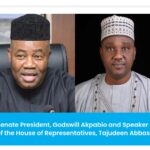
Senate President Godswill Akpabio and Speaker of the House of Representatives Tajudeen Abbas have defended the National Assembly’s decision to give priority consideration to President Bola Ahmed Tinubu’s proposed State Police Bill, describing the legislation as a critical step toward addressing Nigeria’s worsening security challenges.

The two presiding officers said the proposed constitutional amendment reflects the urgent need to strengthen internal security and empower states to play a more active role in protecting lives and property across the country.

According to them, rising incidents of terrorism, banditry, kidnapping and other violent crimes have exposed the limitations of the current centralised policing system, making reforms in the nation’s security architecture unavoidable.
Akpabio noted that the National Assembly is committed to giving the bill the attention it deserves, stressing that the proposed state police framework could significantly improve intelligence gathering, rapid response and community-based policing.
Similarly, Abbas said lawmakers are determined to ensure that all necessary legislative processes are completed to facilitate meaningful security reforms capable of addressing emerging threats nationwide.
The leadership of the National Assembly maintained that prioritising the bill does not diminish the importance of other legislative matters but reflects the urgency of tackling insecurity, which remains one of Nigeria’s biggest national concerns.
The proposed State Police Bill has generated widespread public debate, with supporters arguing that decentralising policing will improve security and enhance local intelligence, while critics have called for strong constitutional safeguards to prevent abuse by state governments.
If eventually passed by the National Assembly and assented to by President Tinubu, the legislation is expected to usher in one of the most significant reforms of Nigeria’s policing system since independence.


