2027: Tinubu Endorsement by 600 Northern Academics Sparks Debate
The endorsement of President Bola Ahmed Tinubu for a second term by more than 600 senior academics from public universities across Northern Nigeria has opened a fresh debate over the involvement of university scholars in partisan politics ahead of the 2027 general elections.

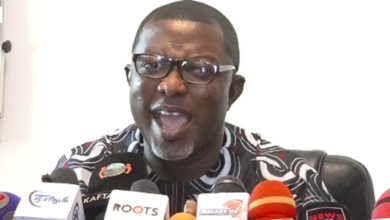
Amid questions surrounding the decision, Vice-Chancellor of Kaduna State University, Professor Abdullahi Musa, has defended the academics’ position, saying it was reached after an assessment of data relating to the performance of the Tinubu administration in key sectors.

Musa, speaking on Trust TV’s Daily Politics on Tuesday, said the academics examined developments in education, infrastructure, investment and agriculture before arriving at their recommendation.
According to him, the gathering was designed as a platform for academics to examine available information systematically and make recommendations based on their findings rather than simply convening for the purpose of endorsing the President.
He explained that academics at the meeting considered different sets of sectoral data before reaching their conclusions.
Musa specifically cited infrastructure and investment in education among the areas examined, pointing to Kaduna State University as an institution that had benefited from interventions by the Federal Government.
He said the university had received significant support from the Tertiary Education Trust Fund, TETFund, as well as the National Sports Commission.
The development, however, has generated political controversy as Nigeria moves towards the 2027 elections.
The African Democratic Congress, ADC, has criticised the involvement of academics in political endorsements and called on the Independent National Electoral Commission, INEC, to reconsider the use of academics perceived to have taken partisan positions as returning officers during elections.
The controversy raises broader questions about the traditional role university academics have played in Nigeria’s electoral process, particularly as returning and collation officers.
For Musa, however, the academics’ position was presented as the outcome of an analytical exercise involving available data on government programmes and performance.
The development adds another dimension to the political activities gathering momentum ahead of the 2027 presidential election, with endorsements, alliances and opposition reactions increasingly shaping the national conversation.