

119 Campaign Vehicles: EFCC Petition Raises Fresh Questions Over Yayi’s Ogun Campaign


119 Campaign Vehicles: EFCC Petition Raises Fresh Questions Over Yayi’s Ogun Campaign
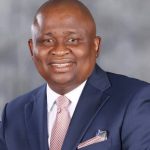
Questions over the ownership, valuation and funding of 119 vehicles reportedly donated to the Ogun State governorship campaign of Senator Solomon Olamilekan Adeola, popularly known as Yayi, have taken a new turn following a petition to the Economic and Financial Crimes Commission (EFCC).

The petition, filed by Ogun politician Adekunle Shomorin, is asking the anti-graft agency to verify the identities of the donors, the ownership and acquisition of the vehicles, their actual market value and the sources of funds used to obtain them.


The development followed Adeola’s September 28 public appreciation of supporters, individuals, companies and groups that provided vehicles for his campaign and grassroots mobilisation ahead of the 2027 Ogun State governorship election.
According to the disclosure, 22 individuals, businesses and groups were listed among those who provided buses and other vehicles. Businessman Akintunde Armstrong was credited with 26 buses, while Alhaji IBD Dende was listed as providing seven buses and an ambulance. Several other contributors were credited with 10 buses each.
The petition has particularly drawn attention to the possible financial value of the vehicles. Shomorin reportedly used an estimated N28 million per vehicle as a benchmark and argued that 26 vehicles attributed to one contributor could be worth about N728 million.
The petitioner is asking the EFCC to determine whether such contributions fall within the limits prescribed by the Electoral Act 2026. Section 92(8), as reported in connection with the petition, places a N500 million ceiling on donations by an individual or entity to a candidate, while the maximum election expenditure for a governorship candidate is N3 billion.
However, the figures cited in the petition remain matters for verification. The actual commercial value of the vehicles, their ownership structure, whether they were purchased specifically for campaign purposes and how the contributions should legally be classified are issues that would have to be established by the appropriate authorities.
The petitioner has also questioned the identities of some contributors whose names appeared in the campaign disclosure as descriptions or informal names. He wants the EFCC to establish their identities and determine who ultimately financed the vehicles associated with them.
Another issue raised is the aggregate value of the entire fleet. Using the petitioner’s N28 million benchmark, 119 vehicles would amount to approximately N3.33 billion. However, that calculation alone does not establish a breach of the governorship expenditure limit, since the legal treatment of donated assets and campaign expenditure would need to be determined in accordance with the Electoral Act.
The petition therefore places the emphasis on verification rather than conclusion. It asks the EFCC to establish the facts behind the donations, including ownership, funding sources, valuation and compliance with campaign-finance and anti-money-laundering provisions.
Adeola had presented the vehicle donations as support from individuals, businesses and associates for grassroots mobilisation, expressing appreciation to those who contributed to his political movement. There is no indication in the reports reviewed that the EFCC has announced a finding of wrongdoing against Adeola or any of the donors.
The development nevertheless adds campaign-finance scrutiny to the increasingly active political contest in Ogun State ahead of the 2027 governorship election, with questions over political donations, transparency and compliance with the new electoral framework likely to attract further attention.


