



Atiku Demands Economic Relief as Tinubu Declares Nigeria at Turning Point
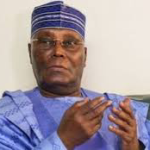
Former Vice President Atiku Abubakar has challenged the Federal Government to demonstrate how its economic reforms are translating into tangible relief for Nigerians, days after President Bola Ahmed Tinubu declared that the country had reached a turning point.

Atiku, the presidential candidate of the African Democratic Congress (ADC), raised the issue in his Independence Day address on Thursday, October 1, 2026, in which he questioned whether reported improvements in economic indicators were being reflected in the daily experiences of households across the country.

The former Vice President particularly challenged the administration’s claim that Nigeria had entered an “age of prosperity”, arguing that economic growth and declining inflation rates should ultimately translate into improved purchasing power and better living conditions for citizens.
His position came shortly after President Tinubu, in his Independence Day address, said Nigeria’s economy had recorded growth of more than four per cent and that the government’s immediate economic task had shifted from stabilisation to achieving shared and widespread prosperity.
Atiku, however, maintained that headline economic figures alone were insufficient to establish whether Nigerians were benefiting from the reforms. He pointed to the cost of food, transportation, healthcare and other essential services as areas where households continued to feel significant pressure.
He also questioned the impact of the removal of the petrol subsidy and other major economic measures, asking the government to explain how savings generated from the reforms were being deployed and when Nigerians should expect more visible benefits.
Another major issue raised by Atiku was transportation. He challenged the government to publish specific routes, fares and the number of commuters benefiting from promised reductions in transport costs, arguing that announcements about cheaper transportation should be accompanied by verifiable details.
The ADC candidate also proposed what he described as a capped and budgeted production subsidy for petrol refined in Nigeria, including fuel from modular refineries. According to him, such a measure would be designed to reduce pump prices while encouraging domestic refining and job creation.
Atiku further questioned government spending, budgeting and social intervention programmes, calling for greater transparency over how public funds are allocated and how beneficiaries of government support programmes are identified and paid.
Beyond the economy, his address also touched on insecurity, governance, political freedoms and electoral reforms. He argued that economic recovery should be accompanied by improved security and stronger accountability in the management of public resources.
The contrasting positions highlight a continuing debate over how Nigeria’s economic performance should be assessed: through macroeconomic indicators such as growth and inflation, or through their impact on household purchasing power, food costs, transportation, healthcare and employment.
While the Tinubu administration has presented its reforms as necessary measures to stabilise the economy and lay the foundation for broader prosperity, Atiku has argued that Nigerians should judge the reforms by measurable improvements in their everyday lives.
The debate is expected to remain prominent as Nigeria moves towards the 2027 general elections, with economic management, cost of living, security and accountability likely to feature prominently in political arguments among the competing parties and candidates.


