



Tinubu’s Fuel Subsidy Removal: The Political Gamble Previous Leaders Avoided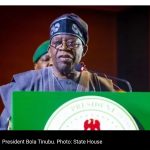
President Bola Ahmed Tinubu’s decision to remove fuel subsidy on his first day in office has continued to generate nationwide debate, with supporters describing it as a bold economic reform that previous administrations lacked the political courage to implement.
Speaking on the rationale behind the policy, the Presidency maintained that the subsidy regime had become an unsustainable burden on Nigeria’s economy, draining public funds that could have been redirected to infrastructure, healthcare, education and social development.
According to government officials, successive administrations had acknowledged the dangers of fuel subsidy but repeatedly postponed decisive action due to fears of political backlash, labour unrest and public outrage. Tinubu, however, was said to have chosen to confront the issue directly despite the potential political consequences.
The administration argued that billions of naira previously spent on subsidy payments largely benefited a small network of importers and smugglers rather than ordinary Nigerians. Officials insisted the removal was necessary to stabilize public finances, reduce corruption in the petroleum sector and attract long-term investment into the economy.

Economic analysts backing the reform noted that subsidy payments had significantly widened Nigeria’s fiscal deficit over the years, while also limiting government spending on critical sectors. They believe the policy, though painful in the short term, could help reposition the economy if accompanied by effective social support measures.

However, the policy has also triggered criticism from labour unions, civil society organisations and many Nigerians who continue to struggle with rising transportation costs, inflation and the soaring prices of goods and services since the subsidy removal.
Despite the backlash, Tinubu’s supporters insist the President took a difficult but necessary decision that many of his predecessors avoided due to political calculations. They argue that while the reform may come with temporary hardship, it could ultimately lay the foundation for economic recovery and sustainable growth.
The government has repeatedly assured Nigerians that efforts are ongoing to cushion the impact through targeted interventions, including palliatives, investments in public transportation and social welfare programmes.
Political observers say the long-term success or failure of the subsidy removal policy will largely depend on how effectively the government manages inflation, improves citizens’ welfare and demonstrates transparency in the use of savings generated from the reform.


