

Spanish Striker Jesús de Miguel Dies After Goalkeeper Collision, Police Investigate


Spanish Striker Jesús de Miguel Dies After Goalkeeper Collision, Police Investigate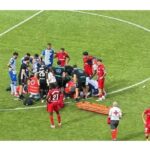
By Akin Alade


MADRID, SPAIN — The Spanish football community has been thrown into mourning following the tragic death of 30-year-old CD Tenerife striker Jesús de Miguel, who suffered a cardiac arrest after a violent collision with an opposing goalkeeper during a second-division league match.
The heartbreaking incident has prompted an investigation by Spain’s National Police, with judicial authorities examining the circumstances surrounding the footballer’s death.
De Miguel died on Tuesday, November 3, 2026, at Nuestra Señora de La Candelaria Hospital, less than 24 hours after colliding with FC Andorra goalkeeper Jesús Owono during Monday’s league encounter.
The tragedy has reignited discussions about player safety, emergency medical responses and the risks associated with high-impact collisions in professional football.
How Spanish Striker Jesús de Miguel Died During League Match
The incident occurred during stoppage time at the Heliodoro Rodríguez López Stadium, where Tenerife and Andorra were locked in a 2-2 draw.
De Miguel was chasing a long ball near the halfway line when Andorra goalkeeper Jesús Owono rushed out of his penalty area in an attempt to clear the danger.
The goalkeeper collided heavily with the advancing striker, striking him in the chest with his knee.
De Miguel collapsed on the pitch, prompting immediate concern among players, coaching staff and spectators.
Footballers from both teams urgently called for medical assistance as the striker remained motionless on the ground.
Medical personnel rushed onto the field and administered emergency treatment before transferring the injured player to hospital.
The referee subsequently abandoned the match because of the seriousness of the incident.
Owono received a straight red card following the collision.
Tenerife Confirms Striker’s Death After Cardiac Arrest
Following the collision, De Miguel reportedly suffered a cardiac arrest before emergency responders succeeded in restoring his pulse.
He was subsequently admitted to intensive care, where medical personnel continued efforts to stabilise his condition.
Although initial reports suggested some stability, his neurological condition deteriorated during the early hours of Tuesday.
Tenerife eventually confirmed that the striker had died at approximately 8:00 a.m. local time.
The club expressed profound grief over the loss of a player whose football career had been tragically cut short.
Tenerife also extended its condolences to the deceased footballer’s family, friends, teammates and supporters.
Spanish Police Investigate Possible Involuntary Manslaughter
Spain’s National Police have opened an investigation into the circumstances surrounding De Miguel’s death, with the possibility of involuntary manslaughter among the matters being examined.
Judicial authorities have clarified that investigations into deaths considered non-natural are standard procedures under Spanish law.
Consequently, the opening of criminal proceedings does not automatically establish wrongdoing or criminal responsibility on the part of goalkeeper Jesús Owono.
Investigators are expected to examine the circumstances of the collision and relevant evidence before determining whether further legal action is justified.
The development has attracted attention across European football, particularly because fatal injuries resulting from collisions between players are uncommon.
Goalkeeper Jesús Owono Faces Difficult Aftermath
The tragedy has also placed FC Andorra goalkeeper Jesús Owono under intense public scrutiny.
The Equatorial Guinea international was dismissed immediately after the challenge and later became the target of abusive messages on social media.
Reports indicate that Owono subsequently deactivated his Instagram account.
Despite the incident, there has been no judicial determination that the goalkeeper deliberately caused the striker’s death.
The case highlights the importance of distinguishing between sporting misconduct, accidental injury and criminal liability while investigations remain ongoing.
Real Madrid, Barcelona and European Football Clubs Mourn
The death of Jesús de Miguel has generated widespread sympathy across the international football community.
Spanish football giants Real Madrid and Barcelona joined other clubs in expressing condolences to the player’s family and Tenerife.
Real Madrid players observed a minute of silence during training, while football stars and officials shared messages of sympathy.
FC Andorra, whose ownership includes former Barcelona defender Gerard Piqué, also expressed sorrow over the tragedy.
Piqué personally conveyed his condolences following the announcement of the striker’s death.
English Premier League clubs Manchester United and Liverpool were among the teams that paid tribute.
The widespread response reflects the emotional impact of the incident on footballers and supporters beyond Spain.
Spanish Football Federation Postpones Matches
As a mark of respect, the Royal Spanish Football Federation postponed matches scheduled for Tuesday, including fixtures in the Copa del Rey and Copa de la Reina.
European football governing body UEFA also announced that a period of silence would be observed before European matches during the week.
The decision provided an opportunity for clubs, players and supporters to honour the memory of the deceased striker.
Who Was Jesús de Miguel?
Born in Madrid in 1996, Jesús de Miguel Alameda was a Spanish professional footballer who built his career through several clubs in the country’s lower divisions.
He began his professional journey with Leganés B in 2015 and subsequently represented other Spanish clubs, including Fuenlabrada, Navalcarnero, Unionistas de Salamanca and Castellón.
He joined Tenerife in 2025 after establishing himself as a competitive forward in Spanish football.
The striker scored 11 goals during the previous season, demonstrating his attacking ability and importance to his team.
His sudden death at 30 has brought an abrupt end to a professional career that reflected years of commitment, discipline and dedication.
Football Safety Returns to Spotlight After Tragic Death
Beyond the police investigation, the incident has raised important questions about player protection and medical preparedness during professional football matches.
Although football is a contact sport, severe collisions involving players and goalkeepers can occasionally result in life-threatening injuries.
Medical specialists have consistently emphasised the importance of rapid emergency responses, access to defibrillators and properly trained medical personnel at sporting venues.
The tragedy also underscores the need for continued education on recognising cardiac emergencies and responding promptly to serious injuries.
While football authorities have introduced various safety measures over the years, the death of De Miguel is a painful reminder that player welfare must remain a priority.
Spanish Football Faces Painful Moment of Reflection
For Tenerife supporters, teammates and the family of Jesús de Miguel, the immediate concern remains the devastating loss of a young footballer.
For Spanish football authorities, the incident presents an opportunity to examine existing safety procedures and consider whether additional preventive measures are necessary.
Meanwhile, the police investigation will seek to establish the relevant facts surrounding the collision without prejudging the actions of those involved.
As tributes continue across Europe, De Miguel will be remembered for his contribution to Spanish football and the passion he brought to the game.
His death serves as a sobering reminder that beyond the competition, trophies and excitement of football, the protection of human life must always come first.


