Human AngleNews

Six European Countries African Students Should Be Cautious About in 2025

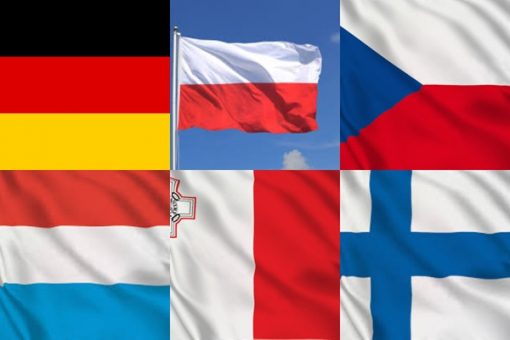
As international education continues to evolve, many African students—particularly from West Africa—are increasingly turning their sights to Europe for affordable and high-quality university education. But while some European countries offer student-friendly visa processes, post-study work options, and welcoming policies, others are becoming significantly more difficult for international students to access.

In 2025, a combination of bureaucratic delays, tightened visa rules, and selective immigration practices is making it harder for African students to navigate applications and secure placements in certain European nations. Here are six European countries that prospective African students may want to approach with caution this year:


1. Germany: Fewer Opportunities Without Scholarships or Exceptional Grades

Germany has long been a favorite for international students due to its tuition-free public universities and high education standards. However, gaining access is now becoming increasingly difficult for African applicants without scholarships or outstanding academic performance. In Nigeria, for example, the German embassy is overwhelmed with student visa requests, leading to limited appointment availability and processing delays. Without a DAAD scholarship or a top-tier transcript, chances of timely visa processing are now slim.

Advertisement

2. Poland: Backlogs and Delays at the Embassy

Poland remains an affordable education destination, but students face growing frustration over long waiting times for visa appointments. Despite receiving admission letters from Polish universities, many African students—especially from Nigeria and Ghana—report being stuck in limbo due to limited embassy slots and logistical delays. For new applicants, this uncertainty can jeopardize entire academic sessions.


3. Czech Republic: Overloaded Embassy Services in West Africa

The Czech Republic has just one embassy servicing student visa applications for nearly nine West African countries, including Nigeria, Ghana, and Cameroon. Located in Abuja, this singular diplomatic post is overburdened, leading to appointment wait times stretching into several months. Even well-prepared applicants may find themselves unable to meet university deadlines due to this bottleneck.


4. Luxembourg: Reserved for the Academic Elite

Though small and wealthy, Luxembourg is extremely selective about the students it accepts. The visa process favours high-performing applicants with excellent academic credentials. For average students or those without full funding, the likelihood of securing a visa appointment is very low. In many cases, those without top results are advised to look elsewhere.


5. Malta: High Demand, High Rejection

Malta’s English-speaking environment makes it naturally attractive for students from Anglophone Africa. However, the downside is that this popularity has led to surging demand and a sharp rise in visa rejections. Reports suggest that even qualified applicants are being denied visas, often without clear explanations. The Maltese authorities are becoming increasingly selective, meaning that applying now comes with significant risk.


6. Finland: Language and Work Restrictions Pose Hurdles

Finland is known for its progressive education system and safe environment, but it’s a difficult place to thrive for students without knowledge of the Finnish language. Most part-time job opportunities require fluency in Finnish, making it tough for students to work while studying—unless they already have strong financial support. For those relying on part-time work to support themselves, Finland may not be ideal.


Bottom Line

While Europe still offers many opportunities for international education, students from Africa—particularly West Africa—must now research destination countries more carefully. Factors like visa timelines, embassy coverage, job opportunities, and denial rates should weigh just as heavily as tuition costs and university rankings. As 2025 unfolds, navigating Europe as an international student is no longer just about gaining admission—it’s about surviving the system.

Related Articles

Back to top button

Nigeria Standard Magazine: A Voice for Excellence and Innovation

Introduction

Nigeria Standard Magazine is a premier publication dedicated to showcasing the vibrant culture, business excellence, political landscape, entertainment, and technological advancements of Nigeria. Our mission is to provide insightful, fact-based journalism while promoting Nigerian achievements on a global scale. With a commitment to quality journalism and innovative reporting, Nigeria Standard Magazine covers a wide range of topics, including business, politics, entertainment, education, and lifestyle. This article will explore how the magazine is revolutionizing media in Nigeria and why it remains a leading source of news and information.

The Role of Nigeria Standard Magazine in Media Excellence

1. A Trusted News Source

Nigeria Standard Magazine has built a reputation for delivering accurate, reliable, and timely news. Unlike sensationalist media, we focus on in-depth analysis, investigative journalism, and balanced reporting. Our team of seasoned journalists ensures that every piece published meets the highest standards of ethical journalism.

2. Covering Nigeria’s Political Landscape

With Nigeria’s dynamic political environment, staying informed is crucial. Nigeria Standard Magazine provides comprehensive coverage of political developments, elections, policy changes, and governance. We offer expert opinions, interviews with political leaders, and policy analysis that help Nigerians make informed decisions.

3. Business and Economic Insights

Nigeria Standard Magazine serves as a vital resource for entrepreneurs, investors, and business professionals. Our business section covers: By providing actionable insights, we help businesses navigate the complex Nigerian economy and make informed decisions.

Entertainment and Lifestyle: Celebrating Nigerian Talent

4. Nollywood and Music Industry Updates

Nigeria’s entertainment industry is one of the fastest-growing in the world. Nigeria Standard Magazine keeps readers updated on: Our entertainment section provides an insider’s look into the vibrant world of Nigerian arts and culture.

5. Fashion and Lifestyle Trends

From traditional attire to modern fashion trends, Nigeria Standard Magazine covers the evolving fashion scene. Our lifestyle section highlights:

Technology and Innovation: Nigeria’s Digital Transformation

6. Tech Startups and Innovations

Nigeria is emerging as a tech hub in Africa, with startups revolutionizing various industries. Nigeria Standard Magazine reports on: Our readers gain valuable insights into the tech ecosystem and the future of innovation in Nigeria.

7. Education and Career Development

Education is key to national development. Nigeria Standard Magazine supports knowledge-sharing through: By focusing on education, we empower Nigerian youth to achieve academic and professional success.

Why Nigeria Standard Magazine Stands Out

8. Digital and Print Accessibility

We understand the importance of accessibility in today’s digital world. Nigeria Standard Magazine is available in both print and digital formats, ensuring that readers can access our content anytime, anywhere. Our online platform is optimized for mobile users, making it easy to read the latest news on the go.

9. Engaging Multimedia Content

To keep our audience engaged, we incorporate: This multimedia approach enhances user experience and provides diverse ways to consume information.

10. Community Engagement and Social Media Presence

Nigeria Standard Magazine actively engages with readers through social media platforms such as Twitter, Facebook, Instagram, and LinkedIn. Our interactive approach includes: This strong online presence ensures that we remain connected with our audience and foster meaningful conversations.

SEO Strategies for Nigeria Standard Magazine

To maintain visibility and attract more readers, we employ the following SEO strategies:

11. Keyword Optimization

Our content incorporates relevant keywords such as: By strategically placing these keywords in our articles, we enhance search engine rankings and reach a wider audience.

12. High-Quality Content and Backlinks

We prioritize quality content that is: By collaborating with industry experts and media partners, we build credible backlinks that boost our domain authority.

13. Mobile Optimization and Fast Loading Speeds

With a growing number of readers accessing content via mobile devices, we ensure:

14. Social Media Integration

Our articles are easily shareable across social media platforms, driving organic traffic. We encourage readers to:

Conclusion: The Future of Nigeria Standard Magazine

As Nigeria continues to evolve, Nigeria Standard Magazine remains committed to delivering accurate, engaging, and insightful content. Our mission is to inform, educate, and inspire Nigerians and the global audience about the nation’s achievements and potential. With a strong digital presence, high-quality journalism, and a deep understanding of our readers’ needs, Nigeria Standard Magazine will continue to be a trusted voice in Nigerian media. Stay connected with us for the latest updates on business, politics, entertainment, technology, and more. Follow us on social media and visit our website for real-time news and analysis.