Ogun Police Arrest Security Guard for Alleged Theft of Company Spare Parts Worth Thousands


Ogun Police Arrest Security Guard for Alleged Theft of Company Spare Parts Worth Thousands
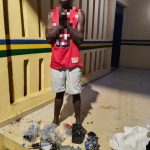
The Ogun State Police Command has arrested a 32-year-old security guard, identified as Friday Ayuba, for allegedly stealing motor spare parts belonging to his employer in the Owode-Egba area of Ogun State.
The suspect was apprehended following a coordinated operation involving operatives of the Quick Response Squad (QRS) and officers attached to the Owode-Egba Division after intelligence revealed an attempt to unlawfully move company property from its premises.

According to information released by the Police Public Relations Officer of the Ogun State Command, DSP Oluseyi Babaseyi, the arrest was triggered by a formal complaint lodged by the management of the affected company located at Ita-Asu Village, via Owode-Egba.

The company manager reportedly informed the police that the suspect had been intercepted by QRS operatives at the Sagamu Interchange along the Lagos-Ibadan Expressway while allegedly transporting valuable company spare parts without authorization.
Preliminary investigations conducted by detectives revealed that the suspect, who was employed as a security guard by the company, was found in possession of several motor spare parts suspected to have been illegally removed from the organization’s warehouse and storage facilities.
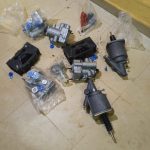
Items recovered from the suspect include four air control units, two air boosters, two engine seats, and two fuel pumps. The company later identified and confirmed the recovered items as its property.
Police investigators disclosed that the suspect allegedly confessed to the theft during interrogation, providing useful information that is assisting ongoing investigations into the circumstances surrounding the incident.
Following the arrest, detectives visited the company’s premises to document evidence, obtain additional statements from witnesses, and verify inventory records linked to the stolen items.
Authorities confirmed that the recovered spare parts have been secured as exhibits and will be presented in court as part of the prosecution process.
The suspect remains in police custody and is expected to face criminal charges upon the conclusion of investigations.
Reacting to the development, the Commissioner of Police in Ogun State, CP Bode Ojajuni, commended the vigilance displayed by the company’s management and praised the professionalism of the Quick Response Squad and officers of the Owode-Egba Division for their swift intervention.
He noted that the successful arrest demonstrates the effectiveness of intelligence-led policing and collaboration between law enforcement agencies and members of the public.
The police commissioner reaffirmed the Command’s commitment to protecting businesses, industrial investments, critical infrastructure, and residents across Ogun State.
He further urged employers, business owners, and members of the public to remain vigilant and promptly report suspicious activities capable of threatening lives, property, and economic activities within their communities.
Security experts say internal theft remains one of the major challenges facing businesses across Nigeria, with companies increasingly adopting stricter monitoring systems and collaboration with security agencies to prevent losses and safeguard valuable