Oil and gas

NNPC’s ₦11.2trn Receivables: Questions Over Oil Security Spending Intensify


 

NNPC’s ₦11.2trn Receivables: Questions Over Oil Security Spending Intensify
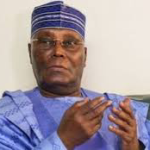
Atiku
Atiku

Fresh questions are emerging over the management of Nigeria’s oil and gas security expenditure following renewed calls for greater transparency around the ₦11.2 trillion recorded as receivables from the Federation in the Nigerian National Petroleum Company Limited’s 2025 financial statements.

Advertisement


The issue gained political prominence after former Vice-President and African Democratic Congress (ADC) presidential candidate, Atiku Abubakar, challenged the Federal Government to provide Nigerians with a detailed account of the money, particularly the portion associated with protecting oil and gas infrastructure.


Atiku’s demand has shifted attention from the headline figure to a broader question: how much does Nigeria spend protecting its oil assets, who receives the funds, and what measurable results are being achieved? He called for the publication of relevant contracts, payment records and project outcomes linked to pipeline surveillance and infrastructure protection.


However, the NNPC financial statements provide an important distinction that should not be overlooked. The ₦11.2 trillion is classified as “other receivables from the Federation” relating to advances and costs incurred in securing the country’s oil and gas assets under an approved framework between the Federal Government and NNPC. It therefore should not automatically be interpreted as ₦11.2 trillion of fresh expenditure incurred during 2025.


According to analysis of the audited accounts, the company reported that no energy-security expense was recognised in 2025, compared with ₦7.13 trillion in 2024, following a reconciliation involving royalties, taxes and dividends owed to the government. The accounts nevertheless showed a substantial outstanding energy-security-related receivable, keeping the issue firmly in the public spotlight.


The controversy is particularly significant because oil and gas infrastructure remains central to Nigeria’s revenue base. Pipeline vandalism, crude oil theft and attacks on energy facilities have historically affected production and government earnings, making expenditure on oil-asset protection a matter of national economic importance.


For that reason, the emerging debate should go beyond political exchanges between Atiku and the Tinubu administration. Nigerians would benefit from a transparent breakdown showing the nature of the security services provided, contractual arrangements, amounts paid or outstanding, beneficiaries, locations covered and measurable improvements in pipeline security and crude production.


Atiku has also questioned specific contracts involving pipeline security and other major infrastructure projects, including the role of private contractors. Those claims and allegations remain political assertions and should be independently verified against official procurement records, contracts and audited government documents before being treated as established facts.


The controversy therefore presents an opportunity for the Federal Government and NNPC to provide clearer explanations of the accounting behind the ₦11.2 trillion figure. Publishing supporting documents and a comprehensive breakdown could help distinguish legitimate oil-security costs from other receivables and reduce speculation surrounding the management of public resources.


Beyond the politics of the 2027 election, the central issue is accountability. Nigeria’s oil sector generates enormous public value, and citizens have a legitimate interest in understanding how much is spent protecting the infrastructure that produces that wealth and whether such expenditure is delivering the expected results.


As the debate continues, the demand for transparency could become one of the major issues surrounding Nigeria’s petroleum sector, particularly as the country seeks to increase oil production, reduce crude theft and strengthen investor confidence in its energy industry.

Related Articles

Back to top button

Nigeria Standard Magazine: A Voice for Excellence and Innovation

Introduction

Nigeria Standard Magazine is a premier publication dedicated to showcasing the vibrant culture, business excellence, political landscape, entertainment, and technological advancements of Nigeria. Our mission is to provide insightful, fact-based journalism while promoting Nigerian achievements on a global scale. With a commitment to quality journalism and innovative reporting, Nigeria Standard Magazine covers a wide range of topics, including business, politics, entertainment, education, and lifestyle. This article will explore how the magazine is revolutionizing media in Nigeria and why it remains a leading source of news and information.

The Role of Nigeria Standard Magazine in Media Excellence

1. A Trusted News Source

Nigeria Standard Magazine has built a reputation for delivering accurate, reliable, and timely news. Unlike sensationalist media, we focus on in-depth analysis, investigative journalism, and balanced reporting. Our team of seasoned journalists ensures that every piece published meets the highest standards of ethical journalism.

2. Covering Nigeria’s Political Landscape

With Nigeria’s dynamic political environment, staying informed is crucial. Nigeria Standard Magazine provides comprehensive coverage of political developments, elections, policy changes, and governance. We offer expert opinions, interviews with political leaders, and policy analysis that help Nigerians make informed decisions.

3. Business and Economic Insights

Nigeria Standard Magazine serves as a vital resource for entrepreneurs, investors, and business professionals. Our business section covers: By providing actionable insights, we help businesses navigate the complex Nigerian economy and make informed decisions.

Entertainment and Lifestyle: Celebrating Nigerian Talent

4. Nollywood and Music Industry Updates

Nigeria’s entertainment industry is one of the fastest-growing in the world. Nigeria Standard Magazine keeps readers updated on: Our entertainment section provides an insider’s look into the vibrant world of Nigerian arts and culture.

5. Fashion and Lifestyle Trends

From traditional attire to modern fashion trends, Nigeria Standard Magazine covers the evolving fashion scene. Our lifestyle section highlights:

Technology and Innovation: Nigeria’s Digital Transformation

6. Tech Startups and Innovations

Nigeria is emerging as a tech hub in Africa, with startups revolutionizing various industries. Nigeria Standard Magazine reports on: Our readers gain valuable insights into the tech ecosystem and the future of innovation in Nigeria.

7. Education and Career Development

Education is key to national development. Nigeria Standard Magazine supports knowledge-sharing through: By focusing on education, we empower Nigerian youth to achieve academic and professional success.

Why Nigeria Standard Magazine Stands Out

8. Digital and Print Accessibility

We understand the importance of accessibility in today’s digital world. Nigeria Standard Magazine is available in both print and digital formats, ensuring that readers can access our content anytime, anywhere. Our online platform is optimized for mobile users, making it easy to read the latest news on the go.

9. Engaging Multimedia Content

To keep our audience engaged, we incorporate: This multimedia approach enhances user experience and provides diverse ways to consume information.

10. Community Engagement and Social Media Presence

Nigeria Standard Magazine actively engages with readers through social media platforms such as Twitter, Facebook, Instagram, and LinkedIn. Our interactive approach includes: This strong online presence ensures that we remain connected with our audience and foster meaningful conversations.

SEO Strategies for Nigeria Standard Magazine

To maintain visibility and attract more readers, we employ the following SEO strategies:

11. Keyword Optimization

Our content incorporates relevant keywords such as: By strategically placing these keywords in our articles, we enhance search engine rankings and reach a wider audience.

12. High-Quality Content and Backlinks

We prioritize quality content that is: By collaborating with industry experts and media partners, we build credible backlinks that boost our domain authority.

13. Mobile Optimization and Fast Loading Speeds

With a growing number of readers accessing content via mobile devices, we ensure:

14. Social Media Integration

Our articles are easily shareable across social media platforms, driving organic traffic. We encourage readers to:

Conclusion: The Future of Nigeria Standard Magazine

As Nigeria continues to evolve, Nigeria Standard Magazine remains committed to delivering accurate, engaging, and insightful content. Our mission is to inform, educate, and inspire Nigerians and the global audience about the nation’s achievements and potential. With a strong digital presence, high-quality journalism, and a deep understanding of our readers’ needs, Nigeria Standard Magazine will continue to be a trusted voice in Nigerian media. Stay connected with us for the latest updates on business, politics, entertainment, technology, and more. Follow us on social media and visit our website for real-time news and analysis.