



Atiku Challenges Tinubu: Subsidise Nigerian Refineries, Not Foreign Fuel
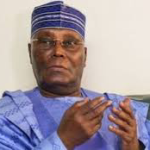
Former Vice President Atiku Abubakar has drawn a fresh economic battle line with the President Bola Tinubu administration ahead of the 2027 presidential election, insisting that Nigeria can make petrol more affordable without returning to the controversial import subsidy regime.

Atiku, the presidential candidate of the African Democratic Congress (ADC), said his proposed production subsidy would channel government support towards crude oil refined within Nigeria rather than petroleum products imported from foreign refineries.

The former vice president argued that the distinction is critical to understanding his economic proposal, maintaining that the policy would simultaneously protect domestic refineries, encourage investment, create jobs and reduce production costs.
His position comes amid an intensifying national debate over fuel prices, domestic refining and the economic consequences of petrol subsidy removal.
Atiku said recent concerns raised by Dangote Refinery about arbitrary pump-price controls actually strengthened his argument rather than undermined it.
According to him, private refineries should not be compelled by government to sell petroleum products below their legitimate production costs and absorb the resulting losses.
Instead, he proposed reducing the cost of crude feedstock supplied to qualifying Nigerian refineries through a transparent and independently verified intervention.
Under the proposal, government support would follow crude oil actually refined within Nigeria.
Atiku argued that lowering the cost of crude supplied to domestic refineries should reduce their production costs, potentially allowing petrol to reach consumers at lower prices while preserving reasonable commercial margins for refiners.
The former vice president maintained that such an arrangement would be fundamentally different from the previous subsidy system under which public funds supported imported petroleum products.
He said refineries operating outside Nigeria would not qualify for the proposed intervention.
The ADC presidential candidate also sought to address concerns that another subsidy programme could reopen opportunities for corruption and uncontrolled government spending.
He proposed a hard fiscal ceiling, maximum support per barrel, electronic monitoring of crude intake and refined products, independent verification, transparent pricing, compulsory audits and penalties for diversion or fraudulent claims.
The proposed safeguards would, according to Atiku, make it possible for Nigerians to know how many barrels receive government support, which refinery benefits, how much the intervention costs taxpayers and what consumers receive in return.
The policy debate is particularly significant as Nigeria attempts to strengthen its domestic refining capacity.
Dangote Refinery is already operating at substantial capacity and pursuing a major expansion programme, while modular and other domestic refineries are expected to play increasingly important roles in reducing Nigeria’s historical dependence on imported petroleum products.
Atiku argued that protecting the commercial viability of these investments must remain a priority.
However, he insisted that Nigerian consumers should also benefit from the country’s status as a major crude oil producer.
The former vice president rejected what he described as a false choice between profitable domestic refineries and affordable fuel, arguing that sound economic policy should seek to protect both producers and consumers.
His proposal nevertheless raises important questions that could dominate economic discussions ahead of the 2027 election.
Among them are how much a production subsidy would cost the federal government, how the crude discount would be calculated, how lower input costs would be transmitted to pump prices and whether Nigeria could prevent the corruption and manipulation associated with previous subsidy arrangements.
Atiku said any additional government intervention beyond sustainable reductions in refinery production costs should be openly budgeted, capped and audited rather than imposing an artificial price on private refiners.
The debate comes against the background of continued pressure from fuel, transportation and other living costs on Nigerian households and businesses.
Atiku has increasingly made affordability a central plank of his economic argument against the Tinubu administration, claiming that government reforms have imposed excessive hardship on citizens.
The Tinubu administration, on the other hand, has defended its economic reforms as necessary measures to correct longstanding structural problems and improve the sustainability of public finances.
With the 2027 election approaching, the petrol debate is therefore moving beyond the old argument of simply retaining or removing subsidy.
The emerging question is whether government should stay largely out of fuel pricing or intervene directly at the production stage to reduce the cost of domestically refined petroleum products.
Atiku has now made his choice clear: subsidise Nigerian production rather than imported fuel.
Whether that model can deliver cheaper petrol without recreating the fiscal burden and abuse associated with Nigeria’s previous subsidy system is likely to become one of the major economic policy questions of the 2027 presidential campaign.


