News

Inside ADC’s Leadership Crisis: How Internal Power Struggles Could Reshape Nigeria’s 2027 Elections


Inside ADC’s Leadership Crisis: How Internal Power Struggles Could Reshape Nigeria’s 2027 ElectionsAmaechi

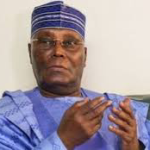
Atiku
Atiku

Peter Obi

As Nigeria gradually inches toward the 2027 general elections, a quiet but consequential crisis is unfolding within the African Democratic Congress (ADC)—one that could determine whether some of the country’s most prominent opposition figures even make it onto the ballot.
At the heart of the unfolding drama is a dispute over legitimacy, procedure, and the soul of a political party many had hoped would serve as a unifying platform for opposition heavyweights such as Atiku Abubakar, Peter Obi, and Rotimi Amaechi.
A Party, A Founder, and a Controversial Exit
The ADC was founded by Ralph Nwosu, who for years served as its national chairman and a central figure in its operations. His leadership, however, has recently come under scrutiny following claims of resignation and alleged transfer of control.
Party insiders argue that the ADC constitution clearly outlines the process for leadership transition—through a national convention, the National Executive Committee (NEC), or a structured line of succession. None of these, they insist, were properly followed.
This perceived breach of due process has now triggered a legitimacy battle that is threatening to fracture the party at a critical political moment.
The Rise of Nafiu Bala
Amid the uncertainty, Nafiu Bala, the party’s North East Vice Chairman, has emerged as a central figure. Citing the party’s constitutional provisions, Bala maintains that with Nwosu’s reported resignation, leadership should naturally devolve to him through internal succession mechanisms.
His stance has effectively drawn a line in the sand.
While some factions reportedly sought to consolidate control of the party structure through informal arrangements, Bala and his allies have resisted what they describe as an attempt to bypass institutional processes.
Legal Battle and the Question of Legitimacy
The dispute has now moved to the courts, where the legality of any leadership transfer outside constitutional provisions is being challenged. Early indications suggest the judiciary is taking the matter seriously, with orders reportedly restoring the status quo pending further hearings.
This legal intervention introduces a layer of uncertainty that could have far-reaching consequences. If the court rules that due process was violated, any actions taken under the disputed leadership—including candidate nominations—could be invalidated.
Opposition Realignments Under Threat
For opposition figures seeking a viable platform ahead of 2027, the ADC crisis presents a major setback. The party had been viewed as a potential coalition vehicle, especially for politicians navigating internal crises in their former parties.
Nyesom Wike’s influence in the People’s Democratic Party (PDP), disputes within the Labour Party, and internal tensions in the New Nigeria Peoples Party have all contributed to a broader atmosphere of political migration and uncertainty.
Yet, the ADC’s internal instability now raises a critical question: can it serve as a credible alternative platform?
A Familiar Political Pattern
Nigeria’s political history is replete with party crises, defections, and legal battles. The emergence of the All Progressives Congress (APC) itself was the result of a painstaking coalition process that involved formal mergers and institutional negotiations.
Observers note that successful political realignments often depend not just on influence or resources, but on adherence to legal frameworks and internal democracy—elements now at the center of the ADC dispute.
What Lies Ahead
As the courts deliberate and party factions dig in, the stakes continue to rise. A prolonged legal battle could leave the ADC unable to field candidates in 2027, effectively sidelining key opposition figures who may have banked on the party as their political vehicle.
For now, the crisis serves as a stark reminder of the fragile nature of political coalitions—and the high cost of internal discord in a system where timing, structure, and legality are everything.
Whether the ADC emerges unified or further divided may well shape the contours of Nigeria’s next electoral contest.

Advertisement

Related Articles

Back to top button

Nigeria Standard Magazine: A Voice for Excellence and Innovation

Introduction

Nigeria Standard Magazine is a premier publication dedicated to showcasing the vibrant culture, business excellence, political landscape, entertainment, and technological advancements of Nigeria. Our mission is to provide insightful, fact-based journalism while promoting Nigerian achievements on a global scale. With a commitment to quality journalism and innovative reporting, Nigeria Standard Magazine covers a wide range of topics, including business, politics, entertainment, education, and lifestyle. This article will explore how the magazine is revolutionizing media in Nigeria and why it remains a leading source of news and information.

The Role of Nigeria Standard Magazine in Media Excellence

1. A Trusted News Source

Nigeria Standard Magazine has built a reputation for delivering accurate, reliable, and timely news. Unlike sensationalist media, we focus on in-depth analysis, investigative journalism, and balanced reporting. Our team of seasoned journalists ensures that every piece published meets the highest standards of ethical journalism.

2. Covering Nigeria’s Political Landscape

With Nigeria’s dynamic political environment, staying informed is crucial. Nigeria Standard Magazine provides comprehensive coverage of political developments, elections, policy changes, and governance. We offer expert opinions, interviews with political leaders, and policy analysis that help Nigerians make informed decisions.

3. Business and Economic Insights

Nigeria Standard Magazine serves as a vital resource for entrepreneurs, investors, and business professionals. Our business section covers: By providing actionable insights, we help businesses navigate the complex Nigerian economy and make informed decisions.

Entertainment and Lifestyle: Celebrating Nigerian Talent

4. Nollywood and Music Industry Updates

Nigeria’s entertainment industry is one of the fastest-growing in the world. Nigeria Standard Magazine keeps readers updated on: Our entertainment section provides an insider’s look into the vibrant world of Nigerian arts and culture.

5. Fashion and Lifestyle Trends

From traditional attire to modern fashion trends, Nigeria Standard Magazine covers the evolving fashion scene. Our lifestyle section highlights:

Technology and Innovation: Nigeria’s Digital Transformation

6. Tech Startups and Innovations

Nigeria is emerging as a tech hub in Africa, with startups revolutionizing various industries. Nigeria Standard Magazine reports on: Our readers gain valuable insights into the tech ecosystem and the future of innovation in Nigeria.

7. Education and Career Development

Education is key to national development. Nigeria Standard Magazine supports knowledge-sharing through: By focusing on education, we empower Nigerian youth to achieve academic and professional success.

Why Nigeria Standard Magazine Stands Out

8. Digital and Print Accessibility

We understand the importance of accessibility in today’s digital world. Nigeria Standard Magazine is available in both print and digital formats, ensuring that readers can access our content anytime, anywhere. Our online platform is optimized for mobile users, making it easy to read the latest news on the go.

9. Engaging Multimedia Content

To keep our audience engaged, we incorporate: This multimedia approach enhances user experience and provides diverse ways to consume information.

10. Community Engagement and Social Media Presence

Nigeria Standard Magazine actively engages with readers through social media platforms such as Twitter, Facebook, Instagram, and LinkedIn. Our interactive approach includes: This strong online presence ensures that we remain connected with our audience and foster meaningful conversations.

SEO Strategies for Nigeria Standard Magazine

To maintain visibility and attract more readers, we employ the following SEO strategies:

11. Keyword Optimization

Our content incorporates relevant keywords such as: By strategically placing these keywords in our articles, we enhance search engine rankings and reach a wider audience.

12. High-Quality Content and Backlinks

We prioritize quality content that is: By collaborating with industry experts and media partners, we build credible backlinks that boost our domain authority.

13. Mobile Optimization and Fast Loading Speeds

With a growing number of readers accessing content via mobile devices, we ensure:

14. Social Media Integration

Our articles are easily shareable across social media platforms, driving organic traffic. We encourage readers to:

Conclusion: The Future of Nigeria Standard Magazine

As Nigeria continues to evolve, Nigeria Standard Magazine remains committed to delivering accurate, engaging, and insightful content. Our mission is to inform, educate, and inspire Nigerians and the global audience about the nation’s achievements and potential. With a strong digital presence, high-quality journalism, and a deep understanding of our readers’ needs, Nigeria Standard Magazine will continue to be a trusted voice in Nigerian media. Stay connected with us for the latest updates on business, politics, entertainment, technology, and more. Follow us on social media and visit our website for real-time news and analysis.