



2027: Why Bwala Believes Tinubu Could Widen Victory Margin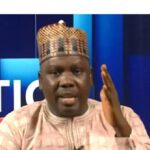


The political landscape ahead of the 2027 presidential election is increasingly tilting towards President Bola Tinubu, according to his Special Adviser on Policy Communication, Daniel Bwala, who believes the President could secure a significantly wider victory margin than he achieved in 2023.
Bwala’s prediction is based largely on what he described as the changing political environment since the last presidential election, particularly the growing support for Tinubu among political actors and governors who previously belonged to opposition parties.
Speaking on Channels Television’s Politics Today, the presidential aide argued that the circumstances surrounding Tinubu’s emergence in 2023 were far more difficult than they appeared, insisting that many political indicators at the time worked against the eventual APC candidate.
According to him, Tinubu nevertheless overcame those challenges, secured the APC presidential ticket and went on to win the 2023 election. He now believes the President enters the 2027 contest with a stronger political structure and wider acceptance within the political class.
Tinubu won the 2023 presidential election with 8,794,726 votes, defeating former Vice President Atiku Abubakar of the Peoples Democratic Party by about 1.81 million votes and Peter Obi of the Labour Party by approximately 2.69 million votes.
Bwala contends that the political realignment since 2023 could work significantly in Tinubu’s favour. Several governors and prominent politicians elected on opposition platforms have moved towards the APC, strengthening the ruling party’s reach across different parts of the country.
He therefore expects the President to receive greater political support in 2027 than he enjoyed during the previous presidential election, particularly from governors and influential political structures.
The development has become one of the major talking points of the emerging 2027 contest, with the APC increasingly presenting Tinubu’s administration as a government that has weathered difficult economic reforms and is now moving towards what the President has described as an era of prosperity.
Bwala recently acknowledged that Tinubu’s economic reforms caused hardship and pushed more Nigerians into poverty in the short term, but argued that the government has also recorded progress since implementing the reforms.
However, the President’s re-election bid will not be determined by political endorsements alone. Nigerians are expected to judge the administration on issues including the cost of living, employment, security, infrastructure and whether the promised economic gains translate into better living conditions.
The opposition also remains a significant factor. Atiku Abubakar and Peter Obi remain major figures in the emerging presidential contest, while the wider opposition landscape continues to undergo realignment and negotiations ahead of 2027.
Political analysts have also pointed to the fragmented nature of the opposition as one factor that could benefit the incumbent. The Associated Press recently reported that Tinubu has consolidated considerable political strength, while the opposition remains divided.
Nevertheless, public sentiment remains an important variable. Reports have highlighted continuing dissatisfaction over economic hardship and insecurity, meaning the APC will still have to convince voters that the benefits of the administration’s reforms outweigh their immediate costs.
For now, Bwala remains confident that the political equation has changed substantially in Tinubu’s favour since 2023.
His prediction of an “unbelievable” victory margin is therefore likely to become one of the talking points of the 2027 campaign season, but the final verdict will ultimately be determined by Nigerian voters at the polls.
As political parties intensify mobilisation across the country, the real test for Tinubu and the APC will be whether their growing political structure can translate into votes — and whether the administration can convert its reform narrative into tangible improvements in the lives of ordinary Nigerians.
The 2027 election may therefore be less about who has the loudest prediction and more about who can build the strongest coalition, present the most convincing record and win the confidence of voters.


