
Economy

Atiku to Tinubu: Nigerians Must Feel Economic Reforms in Their Pockets
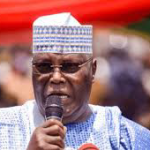
Atiku to Tinubu: Nigerians Must Feel Economic Reforms in Their Pockets

Atiku Reacts To Fresh Speculations About Leaving PDP
Atiku Abubakar


Former Vice President and African Democratic Congress (ADC) presidential candidate, Atiku Abubakar, has challenged President Bola Ahmed Tinubu to reassess the impact of his administration’s economic policies on ordinary Nigerians, arguing that improvements in government revenues and economic indicators mean little if households continue to struggle with food, transportation and energy costs.
Speaking at a press conference in Abuja on Friday, Atiku said the true measure of economic reform should be its impact on purchasing power, production, employment opportunities and the living standards of citizens.
His intervention comes amid renewed concerns over the cost of petrol, diesel, electricity, transportation and other essential services across the country.
Atiku argued that the effects of higher energy costs extend far beyond filling stations, saying increases in petrol prices feed into transportation fares, food prices, business logistics and production expenses.
According to the former vice president, farmers spend more transporting produce to markets, traders face higher costs restocking their businesses, while workers are forced to devote an increasing proportion of their income to transportation.
He maintained that Nigerian households ultimately bear much of the burden.
Atiku also questioned the emphasis on higher government revenues and economic growth figures when many Nigerians, according to him, continue to experience declining purchasing power.
He argued that economic growth should translate into tangible improvements in people’s ability to afford food, fuel, electricity, transportation and other necessities.
The ADC presidential candidate said rising production costs were equally affecting manufacturers, with businesses facing increased expenditure on electricity, diesel, logistics and alternative sources of power.
He maintained that the combination of high operating costs and weakened consumer purchasing power creates difficulties for manufacturers because businesses may produce goods that consumers increasingly struggle to afford.
Atiku consequently urged Tinubu to consider intervention in the petroleum sector to reduce petrol and diesel prices.
The former vice president has previously advocated a review of the government’s approach to fuel subsidy removal, including targeted intervention aimed at lowering energy costs.
The Tinubu administration and its supporters have disputed Atiku’s approach to fuel subsidy, arguing that restoring subsidy could undermine reforms and reverse economic gains.
Atiku, however, maintained that government should be willing to reconsider policies when their consequences impose significant pressure on citizens.
He also questioned whether cash transfers and other temporary interventions could provide a lasting solution when workers’ incomes are continually affected by high energy and transportation costs.
According to him, palliatives may provide temporary assistance, but broader economic policies should address the underlying factors driving household expenses.
Atiku further raised concerns about electricity costs and reports of plans to phase out electricity subsidies from 2027.
He argued that higher electricity expenses would have implications not only for households but also for small and medium-sized businesses that depend heavily on power to operate.
He cited artisans and businesses including barbers, tailors, welders and frozen-food sellers as examples of enterprises whose operating expenses are directly affected by electricity and alternative energy costs.
The latest intervention adds another dimension to the continuing national debate over the economic consequences of subsidy reforms introduced following Tinubu’s assumption of office in May 2023.
While the administration has defended its reforms as necessary to address longstanding fiscal and structural problems, opposition parties and labour organisations have repeatedly called for measures to cushion their impact on households.
For Atiku, however, the central question is whether economic reforms are producing improvements that Nigerians can experience in their everyday lives.
He insisted that rising revenues and economic growth should ultimately translate into stronger purchasing power, greater production, employment opportunities and improved living standards.
As economic policy becomes an increasingly prominent issue ahead of the 2027 general elections, competing proposals on fuel pricing, subsidies, domestic refining and measures to reduce the cost of living are expected to remain at the centre of political debate.

Advertisement

Related Articles

Back to top button

Nigeria Standard Magazine: A Voice for Excellence and Innovation

Introduction

Nigeria Standard Magazine is a premier publication dedicated to showcasing the vibrant culture, business excellence, political landscape, entertainment, and technological advancements of Nigeria. Our mission is to provide insightful, fact-based journalism while promoting Nigerian achievements on a global scale. With a commitment to quality journalism and innovative reporting, Nigeria Standard Magazine covers a wide range of topics, including business, politics, entertainment, education, and lifestyle. This article will explore how the magazine is revolutionizing media in Nigeria and why it remains a leading source of news and information.

The Role of Nigeria Standard Magazine in Media Excellence

1. A Trusted News Source

Nigeria Standard Magazine has built a reputation for delivering accurate, reliable, and timely news. Unlike sensationalist media, we focus on in-depth analysis, investigative journalism, and balanced reporting. Our team of seasoned journalists ensures that every piece published meets the highest standards of ethical journalism.

2. Covering Nigeria’s Political Landscape

With Nigeria’s dynamic political environment, staying informed is crucial. Nigeria Standard Magazine provides comprehensive coverage of political developments, elections, policy changes, and governance. We offer expert opinions, interviews with political leaders, and policy analysis that help Nigerians make informed decisions.

3. Business and Economic Insights

Nigeria Standard Magazine serves as a vital resource for entrepreneurs, investors, and business professionals. Our business section covers: By providing actionable insights, we help businesses navigate the complex Nigerian economy and make informed decisions.

Entertainment and Lifestyle: Celebrating Nigerian Talent

4. Nollywood and Music Industry Updates

Nigeria’s entertainment industry is one of the fastest-growing in the world. Nigeria Standard Magazine keeps readers updated on: Our entertainment section provides an insider’s look into the vibrant world of Nigerian arts and culture.

5. Fashion and Lifestyle Trends

From traditional attire to modern fashion trends, Nigeria Standard Magazine covers the evolving fashion scene. Our lifestyle section highlights:

Technology and Innovation: Nigeria’s Digital Transformation

6. Tech Startups and Innovations

Nigeria is emerging as a tech hub in Africa, with startups revolutionizing various industries. Nigeria Standard Magazine reports on: Our readers gain valuable insights into the tech ecosystem and the future of innovation in Nigeria.

7. Education and Career Development

Education is key to national development. Nigeria Standard Magazine supports knowledge-sharing through: By focusing on education, we empower Nigerian youth to achieve academic and professional success.

Why Nigeria Standard Magazine Stands Out

8. Digital and Print Accessibility

We understand the importance of accessibility in today’s digital world. Nigeria Standard Magazine is available in both print and digital formats, ensuring that readers can access our content anytime, anywhere. Our online platform is optimized for mobile users, making it easy to read the latest news on the go.

9. Engaging Multimedia Content

To keep our audience engaged, we incorporate: This multimedia approach enhances user experience and provides diverse ways to consume information.

10. Community Engagement and Social Media Presence

Nigeria Standard Magazine actively engages with readers through social media platforms such as Twitter, Facebook, Instagram, and LinkedIn. Our interactive approach includes: This strong online presence ensures that we remain connected with our audience and foster meaningful conversations.

SEO Strategies for Nigeria Standard Magazine

To maintain visibility and attract more readers, we employ the following SEO strategies:

11. Keyword Optimization

Our content incorporates relevant keywords such as: By strategically placing these keywords in our articles, we enhance search engine rankings and reach a wider audience.

12. High-Quality Content and Backlinks

We prioritize quality content that is: By collaborating with industry experts and media partners, we build credible backlinks that boost our domain authority.

13. Mobile Optimization and Fast Loading Speeds

With a growing number of readers accessing content via mobile devices, we ensure:

14. Social Media Integration

Our articles are easily shareable across social media platforms, driving organic traffic. We encourage readers to:

Conclusion: The Future of Nigeria Standard Magazine

As Nigeria continues to evolve, Nigeria Standard Magazine remains committed to delivering accurate, engaging, and insightful content. Our mission is to inform, educate, and inspire Nigerians and the global audience about the nation’s achievements and potential. With a strong digital presence, high-quality journalism, and a deep understanding of our readers’ needs, Nigeria Standard Magazine will continue to be a trusted voice in Nigerian media. Stay connected with us for the latest updates on business, politics, entertainment, technology, and more. Follow us on social media and visit our website for real-time news and analysis.