

5 Silent Killer Diseases That Can Cause Sudden or Premature Death: Warning Signs You Should Never Ignore


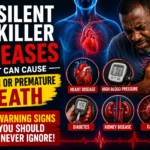
5 Silent Killer Diseases That Can Cause Sudden or Premature Death: Warning Signs You Should Never Ignore
Millions of people live with potentially life-threatening diseases without knowing it. A person may look healthy, go to work every day, eat normally and carry out regular activities while an underlying medical condition gradually damages vital organs.

This is one reason certain chronic illnesses are commonly described as “silent killers.” They may produce few noticeable symptoms in their early stages, and in some cases the first major sign may be a serious complication.

The World Health Organization has highlighted noncommunicable diseases as the dominant cause of death worldwide, with cardiovascular diseases, cancer, diabetes and chronic respiratory diseases among the major contributors.
While no disease should automatically be assumed to cause “sudden death,” early detection and proper medical care can reduce the risk of serious complications from many chronic conditions.
Here are five major diseases people should pay attention to.
1. High Blood Pressure — The Classic Silent Killer
Hypertension, or high blood pressure, is one of the best-known silent health threats.
A dangerous aspect of hypertension is that a person can have significantly elevated blood pressure without feeling ill. Over time, uncontrolled hypertension can damage blood vessels and place additional strain on the heart, brain, kidneys and other organs.
It is a major risk factor for heart attack and stroke.
Possible symptoms when blood pressure becomes very high may include headaches, blurred vision, chest discomfort, dizziness or shortness of breath, but relying on symptoms is dangerous because many people experience none.
Regular blood-pressure checks are therefore important, particularly for adults and people with additional cardiovascular risk factors.
2. Type 2 Diabetes
Diabetes is another disease that may progress quietly.
Type 2 diabetes occurs when the body cannot effectively use insulin, leading to elevated blood glucose levels.
According to WHO, symptoms of type 2 diabetes can be mild and may take years to become noticeable. By the time some patients are diagnosed, complications may already have developed.
Possible warning signs include:
Frequent urination
Excessive thirst
Persistent tiredness
Blurred vision
Unexplained weight loss
Slow-healing wounds
Uncontrolled diabetes can damage the heart, blood vessels, kidneys, eyes and nerves. It also increases the risk of heart attack, stroke and kidney failure.
People who are overweight, physically inactive or have a family history of diabetes should discuss appropriate blood-glucose screening with a healthcare professional.
3. Heart and Cardiovascular Disease
Cardiovascular disease remains one of the world’s biggest health threats.
Some cardiovascular conditions develop gradually as cholesterol deposits and other processes affect blood vessels. High blood pressure and high cholesterol can also remain undetected for years.
A heart attack or stroke can therefore appear sudden even though underlying cardiovascular disease may have been developing for a long period.
Warning signs requiring urgent attention can include chest pressure or pain, unexplained shortness of breath, unusual sweating, severe weakness or discomfort spreading to the arm, shoulder, back, neck or jaw.
Symptoms can differ between individuals, so suspected heart attack or stroke should always be treated as a medical emergency.
Reducing tobacco exposure, remaining physically active, eating a balanced diet and managing blood pressure, cholesterol and diabetes can help reduce cardiovascular risk.
4. Chronic Kidney Disease
The kidneys perform the vital task of filtering waste and excess fluid from the blood.
Kidney disease can progress gradually, and early stages may produce few noticeable symptoms.
As kidney function deteriorates, symptoms can include swelling of the feet or ankles, persistent tiredness, changes in urination, nausea, itching and difficulty concentrating.
Diabetes and high blood pressure are important risk factors for kidney damage.
This illustrates how silent diseases can interact: uncontrolled hypertension or diabetes can gradually damage the kidneys while kidney disease itself may remain unnoticed until it becomes more advanced.
People at increased risk should speak with their healthcare provider about appropriate kidney-function testing.
5. Certain Types of Cancer
Cancer is not a single disease, and different cancers behave very differently. However, some cancers may cause few obvious symptoms during their early stages.
That makes appropriate screening and attention to persistent unexplained changes important.
Possible warning signs can include an unexplained lump, unusual bleeding, persistent coughing, unexplained weight loss, changes in bowel habits, persistent pain or a wound that fails to heal.
These symptoms do not automatically mean cancer, but persistent or unexplained changes should be medically evaluated.
Screening recommendations vary according to age, sex, family history and individual risk, so people should discuss suitable screening with qualified healthcare professionals.
Why Are Silent Diseases So Dangerous?
The greatest danger is often delayed diagnosis.
Someone who feels healthy may assume there is no reason to visit a healthcare facility. Meanwhile, high blood pressure, elevated blood sugar or another underlying condition may continue damaging the body.
Routine health checks can identify certain risk factors before serious complications occur.
Depending on age and individual risk, a healthcare professional may recommend monitoring blood pressure, blood glucose, cholesterol, body weight and other health indicators.
Lifestyle Habits That Can Reduce Risk
Although not every chronic disease is preventable, several lifestyle measures can lower the risk of many noncommunicable diseases.
Regular physical activity, a balanced diet rich in vegetables, fruits, legumes and whole grains, avoiding tobacco, limiting harmful alcohol consumption, maintaining an appropriate body weight and attending recommended health screenings can all contribute to better long-term health.
Family history also matters. Someone with close relatives affected by hypertension, diabetes, heart disease, kidney disease or certain cancers should tell their healthcare provider.
Don’t Wait Until Symptoms Become Severe
One important lesson from silent killer diseases is simple: feeling healthy does not always mean every health indicator is normal.
Routine screening becomes increasingly important as people grow older or develop additional risk factors.
Early diagnosis does not guarantee that every complication can be prevented, but it can create an opportunity for treatment and risk reduction before disease becomes more advanced.
Medical Disclaimer: This article provides general health information and is not a substitute for diagnosis, treatment or personalised advice from a qualified healthcare professional. Anyone experiencing severe chest pain, difficulty breathing, signs of stroke or another medical emergency should seek emergency medical care immediately.


