

Atiku Challenges Tinubu Over Nigeria’s Refineries, Demands Accountability for Trillions Spent


Atiku Challenges Tinubu Over Nigeria’s Refineries, Demands Accountability for Trillions Spent
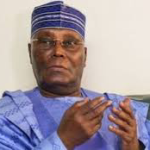
Former Vice President Atiku Abubakar has challenged President Bola Ahmed Tinubu to take responsibility for the state of Nigeria’s government-owned refineries, insisting that the administration should focus on accountability and measurable results rather than blaming previous governments for the lingering crisis in the petroleum sector.
Atiku, the presidential candidate of the African Democratic Congress (ADC), said Nigerians deserve a clear explanation of the huge financial commitments made to the Port Harcourt, Warri and Kaduna refineries, particularly as the country continues to grapple with questions over domestic refining capacity and the sustainability of the facilities.

In a statement issued by his Senior Special Assistant on Public Communication, Phrank Shaibu, Atiku argued that after more than three years in office, the Tinubu administration should be judged by its own decisions, expenditures and results.

His intervention followed renewed assurances by President Tinubu that Nigeria’s state-owned refineries would return to operation.
According to figures cited by Atiku from Nigerian National Petroleum Company Limited records, the combined obligations associated with the Port Harcourt, Warri and Kaduna refineries reportedly increased from about N4.52 trillion in 2023 to N8.67 trillion in 2024, representing an increase of roughly N4.15 trillion within one year.
The former vice president said the figures raised important questions about how public resources were deployed and what benefits Nigerians received from the expenditure.
Atiku also referred to comments attributed to NNPCL Group Chief Executive Officer, Bayo Ojulari, who said an internal assessment found that the government-owned refineries had suffered from low utilisation and continued financial losses. Operations were subsequently halted while their commercial viability was reassessed.
Atiku Questions Port Harcourt Refinery Rehabilitation
Atiku further questioned the circumstances surrounding the Port Harcourt Refinery, recalling that NNPCL announced in November 2024 that the old 60,000-barrel-per-day facility had resumed processing.
At the time, the company said the refinery was operating at about 70 per cent of installed capacity, with plans to increase utilisation.
Atiku argued that the Federal Government must therefore explain why a refinery previously presented as a major achievement later became associated with operational and financial difficulties.
He maintained that political leadership requires governments to accept responsibility for both achievements and setbacks recorded during their tenure.
The former vice president consequently demanded greater transparency over the refinery rehabilitation programme, including explanations about the financial obligations incurred, the current condition of the facilities and the value Nigerians received from the investments.
Experts Divided Over Future of Nigeria’s Refineries
The controversy has also renewed debate among industry stakeholders over whether the Federal Government should continue investing heavily in ageing refineries or pursue alternative strategies involving new facilities and greater private-sector participation.
Former President of the Nigerian Institution of Electrical and Electronic Engineers, Adekunle Makinde, called for a comprehensive technical and economic assessment before further substantial resources are committed to the refineries.
He argued that government must determine whether rehabilitating the existing facilities remains economically sustainable compared with constructing modern refineries.
Other stakeholders have similarly called for greater transparency, including disclosure of expenditure on individual refineries, their current operational condition, rehabilitation costs, contractors, timelines and independently verifiable performance targets.
There have also been proposals for strategic partnerships with private investors to reduce government’s financial exposure while bringing technical expertise and commercial discipline into refinery management.
The renewed debate highlights the wider challenge facing Nigeria as Africa’s major oil producer seeks to strengthen domestic refining, reduce dependence on imported petroleum products and ensure that investments in the energy sector deliver sustainable value to citizens.
For the Tinubu administration, the growing scrutiny means that the future of the Port Harcourt, Warri and Kaduna refineries is likely to remain an important economic and political issue, particularly as Nigerians demand greater accountability for public spending and tangible improvements in the country’s energy sector.


