

Samuel Ladoke Akintola: The Visionary Yoruba Leader Whose Political Legacy Shaped Modern Nigeria


Samuel Ladoke Akintola: The Visionary Yoruba Leader Whose Political Legacy Shaped Modern Nigeria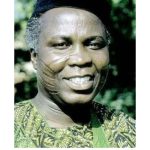
By Akin Alade
Few names command as much respect and historical significance in Nigeria’s political history as Chief Samuel Ladoke Akintola, the 13th Aare Ona Kakanfo of Yorubaland and the last Premier of Nigeria’s Western Region. A brilliant politician, lawyer, journalist, and nationalist, Akintola played a pivotal role in shaping the political landscape of pre-independence and post-independence Nigeria.
His life was marked by courage, leadership, controversy, and an unwavering commitment to the development of the Western Region. Decades after his death, his contributions to governance, education, regional development, and national politics continue to attract scholarly attention and public admiration.


Early Life and Education
Samuel Ladoke Akintola was born on July 6, 1910, in Ogbomoso, present-day Oyo State. Raised in a disciplined and education-oriented environment, he distinguished himself academically from an early age.
He attended Baptist educational institutions before proceeding to higher studies, where he developed a strong passion for law, journalism, and public service. His intellectual brilliance and eloquence soon earned him recognition among emerging Nigerian nationalists.
Rise in Politics and Nationalist Movement
Akintola became actively involved in Nigeria’s struggle for self-governance during the colonial era. He was one of the leading figures of the Action Group, a political party founded by Chief Obafemi Awolowo.
As a trusted ally of Awolowo, Akintola contributed significantly to the party’s organizational growth and political success across the Western Region. His exceptional oratory skills and strategic political thinking made him one of the most influential politicians of his generation.
His ability to connect with ordinary people helped strengthen democratic participation and political awareness among the Yoruba people and Nigerians at large.
Premier of the Western Region
Following the elevation of Chief Obafemi Awolowo to the federal political stage, Samuel Ladoke Akintola became Premier of the Western Region in 1959.
Under his administration, the Western Region witnessed major developments in infrastructure, commerce, agriculture, and governance. He pursued policies aimed at strengthening economic growth while expanding opportunities for regional prosperity.
Akintola believed in practical governance and economic cooperation among Nigeria’s diverse regions. His administration focused on improving public services and fostering political stability during a critical period in Nigeria’s evolution as an independent nation.
The Political Crisis That Changed Nigerian History
One of the most defining chapters of Akintola’s political career was the crisis that engulfed the Action Group in the early 1960s.
Differences in political ideology and strategy between Akintola and Awolowo led to a major split within the party. The disagreement eventually escalated into a constitutional and political crisis in the Western Region, creating tensions that reverberated across Nigeria.
The political unrest that followed contributed significantly to instability in the country’s First Republic and remains one of the most studied periods in Nigerian political history.
Despite the controversy, Akintola maintained that his decisions were guided by his vision for regional development and national unity.
Becoming the Aare Ona Kakanfo of Yorubaland
In recognition of his leadership and influence, Samuel Ladoke Akintola was installed as the 13th Aare Ona Kakanfo of Yorubaland, one of the most prestigious traditional titles in Yoruba history.
The title symbolized courage, leadership, and responsibility. His installation further cemented his place among the most prominent Yoruba figures of the twentieth century.
As Aare Ona Kakanfo, Akintola became a powerful symbol of Yoruba political identity and cultural pride.
Tragic End and Lasting Legacy
On January 15, 1966, Nigeria witnessed its first military coup, an event that dramatically altered the nation’s political trajectory.
During the coup, Samuel Ladoke Akintola was killed, bringing an abrupt end to a remarkable political career. His death marked the close of a significant chapter in Nigeria’s First Republic.
Yet, more than sixty years later, his influence continues to resonate. Historians, political analysts, and scholars frequently examine his ideas, leadership style, and role in shaping modern Nigerian politics.
Why Akintola Remains Relevant Today
Samuel Ladoke Akintola’s story offers valuable lessons about leadership, political negotiation, governance, and the complexities of nation-building.
His commitment to public service, economic development, and political engagement continues to inspire new generations of leaders across Nigeria.
As debates about federalism, regional development, and national unity persist, Akintola’s contributions remain an important reference point in understanding Nigeria’s democratic journey.
Conclusion
Chief Samuel Ladoke Akintola was more than a politician; he was a statesman, nationalist, traditional leader, and one of the architects of modern Nigeria’s political history.
As the 13th Aare Ona Kakanfo of Yorubaland and the last Premier of the Western Region, his legacy continues to shape conversations about leadership, governance, and the future of Nigeria.
His life remains a testament to the enduring impact of visionary leadership and the sacrifices made by those who helped build the Nigerian nation.


