

Ogun APC Primaries Shake National Assembly Race as Four Serving Lawmakers Lose Return Tickets


Ogun APC Primaries Shake National Assembly Race as Four Serving Lawmakers Lose Return Tickets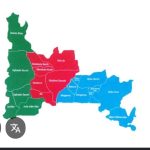
The All Progressives Congress (APC) primaries in Ogun State recorded major political upsets as four serving members of the House of Representatives failed to secure return tickets ahead of the 2027 general elections.
The outcome of the primaries has triggered fresh political realignments within the ruling party, with several incumbents losing their bids to retain the APC tickets for another term in the National Assembly.
Among the lawmakers reportedly affected by the surprising outcome were prominent federal legislators who had sought re-election under the platform of the APC but were defeated during the party’s primary exercises conducted across different constituencies in Ogun State.
Political observers described the development as one of the biggest shake-ups within the Ogun APC structure ahead of the 2027 elections, noting that the primaries reflected growing internal competition and changing political calculations within the party.

Sources within the party disclosed that intense grassroots mobilization, local political alliances, and dissatisfaction among some party stakeholders contributed significantly to the defeat of several incumbents.

The primaries also reportedly exposed deep divisions and rival political interests within parts of the Ogun APC, as aspirants battled for control of the party’s structure in different federal constituencies.
Despite the setbacks suffered by some serving lawmakers, several new candidates and returning political figures emerged victorious during the exercise, strengthening their chances of representing the party in the forthcoming general elections.
Party leaders, however, appealed to aggrieved aspirants and their supporters to remain calm and work for the unity of the APC ahead of the 2027 polls.
Political analysts believe the outcome of the Ogun APC primaries may reshape political alliances in the state and influence future power dynamics within the ruling party.
The development comes as political parties across Nigeria continue preparations for the next election cycle, with legislative contests expected to attract intense competition in several states.
Observers say the defeat of multiple incumbents highlights the unpredictable nature of party primaries and the growing influence of grassroots political structures in determining candidates for elective positions.


