

2027 Presidency: Political Power Blocs Rally Behind Tinubu, Atiku, Obi and Makinde Ahead of Election Battle


2027 Presidency: Political Power Blocs Rally Behind Tinubu, Atiku, Obi and Makinde Ahead of Election Battle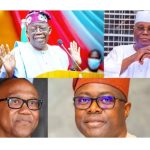
As political activities ahead of the 2027 presidential election continue to gather momentum, powerful political interests and influential support groups are already positioning themselves behind key political figures expected to shape Nigeria’s next electoral contest.
Among the major personalities attracting growing political backing are President Bola Ahmed Tinubu, former Vice President Atiku Abubakar, Labour Party presidential candidate Peter Obi, and Oyo State Governor Seyi Makinde.
Political analysts believe the 2027 election may become one of Nigeria’s most competitive presidential contests due to the growing influence of regional alliances, party realignments, and elite political negotiations already taking shape across the country.
President Tinubu continues to enjoy strong backing from major power blocs within the ruling All Progressives Congress (APC), especially among influential governors, party leaders, federal appointees, and political stakeholders loyal to the current administration. His supporters argue that ongoing economic reforms, infrastructure projects, and political stability efforts should earn him another term in office.

However, opposition forces are also intensifying consultations ahead of the next election cycle.

Former Vice President Atiku Abubakar remains one of the strongest opposition figures with deep-rooted political structures across northern Nigeria and long-standing influence within the Peoples Democratic Party (PDP). Reports indicate that several political stakeholders and northern interest groups still consider him a formidable contender capable of leading a broad coalition against the ruling party.
Likewise, Peter Obi continues to maintain significant popularity among Nigerian youths, professionals, and members of the “Obidient” movement that emerged strongly during the 2023 presidential election. Political observers say Obi’s appeal among urban voters and middle-class Nigerians remains a major factor that could reshape opposition politics ahead of 2027.
Meanwhile, Governor Seyi Makinde is increasingly being mentioned in national political conversations following his rising influence within the PDP and among southern political leaders. Analysts believe Makinde’s governance style, independent political positioning, and growing national profile have elevated his status as one of the possible power brokers in the coming political dispensation.
Across the country, political consultations, coalition talks, and strategic alliances are reportedly intensifying behind closed doors as political actors prepare for possible shifts within both the APC and opposition parties.
Observers also note that issues such as zoning, economic hardship, insecurity, youth participation, and party unity are expected to play significant roles in determining the direction of the 2027 presidential race.
Although no official presidential declarations have been made by several of the political figures being speculated about, the increasing movements within Nigeria’s political landscape suggest that preparations for the next general election have already begun.
Political analysts believe the coming months may witness defections, coalition negotiations, and fresh alignments capable of reshaping Nigeria’s political future ahead of 2027.


