



2027: Wike’s Rainbow Coalition Tests APC Unity Across States
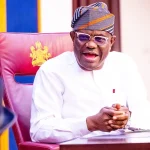
By Akin Alade


The 2027 political contest is exposing a new fault line within Nigeria’s governing camp as the Rainbow Coalition promoted by FCT Minister Nyesom Wike expands its activities across states where the interests of the alliance do not always align with those of the All Progressives Congress (APC).
Wike has maintained that the coalition is designed primarily to mobilise support for President Bola Tinubu’s re-election and is not an alternative structure to the APC. He has also argued that members of different political parties can support Tinubu at the presidential level while backing different candidates in governorship and legislative elections.
That position, however, has created an increasingly complicated political equation for APC governors. While the President is seeking re-election on the APC platform, the coalition is reportedly supporting or working with politicians outside the party in several states, creating competing interests between the presidential race and contests for state and National Assembly positions.
Kwara has become one of the clearest examples of the emerging rivalry. Political realignments involving former APC members, former Senate President Bukola Saraki’s political structure and Wike-aligned actors have intensified the contest around Governor AbdulRahman AbdulRazaq and the state’s legislative seats. Senator Saliu Mustapha’s move from the APC to the PDP has further changed the political landscape in Kwara Central.
Ogun is also attracting attention, with the Rainbow Coalition reportedly backing PDP governorship candidate Ladi Adebutu against APC candidate Senator Solomon Adeola. The development has added another layer to an already competitive governorship race and illustrates the distinction Wike has drawn between supporting Tinubu for president and supporting candidates for other offices.
Similar political calculations are unfolding in Kebbi, Imo, Gombe, Enugu, Nasarawa and other states, according to reports. In Ebonyi, however, Works Minister Dave Umahi has rejected the suggestion that a Rainbow Coalition exists in the state, insisting that the state remains aligned with the APC and its candidates.
The dispute therefore goes beyond personalities and into the question of how political alliances will function during an election in which presidential, governorship and legislative interests are being contested simultaneously. Wike’s model allows politicians to maintain different party identities while pursuing a common presidential objective, whereas APC governors have a direct interest in protecting the party’s candidates at every level.
With the 2027 elections approaching, the central political issue is how the competing structures will coexist during the campaign. Whether the Rainbow Coalition ultimately operates alongside APC structures or produces deeper clashes over candidates and political control will depend on how the different actors reconcile their presidential and state-level interests.


