

Anglican Church Crisis: Archbishop Ibezim Sues Primate Ndukuba Over Suspension


Anglican Church Crisis: Archbishop Ibezim Sues Primate Ndukuba Over Suspension

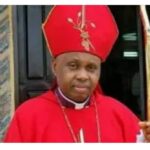

A major constitutional and leadership dispute has erupted within the Church of Nigeria (Anglican Communion), as the Archbishop of the Province of the Niger and Bishop of Awka Diocese, Most Rev. Alexander Ibezim, has approached the Anambra State High Court to challenge the authority and procedures adopted by the church leadership in directing him to proceed on six months’ compulsory leave.
The legal confrontation, which has brought the internal affairs of one of Nigeria’s prominent Christian denominations into the judicial arena, raises fundamental questions about ecclesiastical authority, constitutional compliance, disciplinary procedures and the rights of senior clerics facing allegations within the church hierarchy.
In an originating summons filed before the High Court of Anambra State, Awka Judicial Division, Archbishop Ibezim named the Primate of the Church of Nigeria, Most Rev. Henry Ndukuba, as the first defendant, while the Dean of the Church, Most Rev. Blessing Enyindah, who headed a visitation panel to the Diocese of Awka, was joined as the second defendant.
At the centre of the controversy is Ibezim’s contention that disciplinary proceedings against a serving diocesan bishop must comply strictly with the provisions of the 2020 Constitution and Canons of the Church of Nigeria. He is seeking judicial interpretation of the relevant provisions to determine whether the steps taken against him followed the established constitutional framework.
The embattled archbishop is also questioning the legitimacy of the visitation panel constituted through a letter dated June 17, 2026, alleging that its establishment did not comply with the church’s governing laws. His legal action seeks clarification on whether such a panel can lawfully initiate processes capable of resulting in disciplinary measures against a serving bishop.
Specifically, Ibezim wants the court to interpret Sections 55 and 75 to 76 of the church’s constitution alongside Sections 22 to 28 of Canon XVI, which deal with disciplinary procedures. He further argues that at least one of the ten offences identified under Canon XVI must be established before disciplinary sanctions can lawfully be imposed.
The dispute followed an October 13, 2026, letter issued by Primate Ndukuba directing Ibezim to proceed on six months’ compulsory leave while investigations into allegations and developments within the Awka Diocese were conducted. The church leadership maintained that the directive was an administrative measure intended to facilitate an impartial investigation rather than a disciplinary punishment.
As part of the temporary administrative arrangements, the Bishop of Aguata Diocese, Rt. Rev. Samuel Ezeofor, was appointed Supervising Bishop of Awka Diocese and Coordinating Bishop of the Province of the Niger during Ibezim’s absence. The directive also restricted the archbishop from performing official church functions throughout the leave period.
Beyond the immediate disagreement between the senior clerics, the case presents a significant test of how religious institutions balance internal administrative authority with constitutional safeguards. The eventual judicial interpretation could have implications for the handling of similar disputes involving senior church officials, although the outcome remains uncertain.
The defendants have been given 42 days from the date of service of the originating summons to enter an appearance before the court. As the legal proceedings unfold, attention will focus on whether the controversy can be resolved through judicial interpretation, internal reconciliation or a combination of both, particularly given the importance of unity and institutional stability within the Anglican Communion.
For the Church of Nigeria, the developing confrontation underscores the importance of transparency, procedural fairness and respect for established constitutional provisions in managing sensitive leadership disagreements. No judicial determination on the merits of Ibezim’s claims has yet been reported.


