



Trump Shrugs Off Iran War, Projects US Strength Amid Midterm Pressure
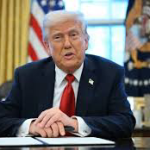
United States President Donald Trump has sought to project confidence over Washington’s prolonged confrontation with Iran, describing the six-month conflict as a relatively minor military challenge for the United States even as casualties, oil-market disruptions and political pressure continue to mount.
Trump, speaking to reporters at the White House on Friday, September 4, maintained that the confrontation should be viewed more as a “military conflict” than a conventional war, arguing that the United States had recorded significant successes against Tehran.

His remarks came shortly after Vice President JD Vance also questioned whether the confrontation should technically be described as a war, signalling an apparent effort by the administration to play down the scale of the conflict.

However, the comments come against a more complicated backdrop.
The conflict has lasted about six months, with 18 American service members and thousands of Iranians reportedly killed. Hostilities have also disrupted shipping through the Strait of Hormuz, one of the world’s most strategically important energy corridors.
Trump insisted that intermittent American strikes did not mean Washington was engaged in continuous fighting, while claiming that US military operations had severely weakened Iran and prevented Tehran from acquiring a nuclear weapon.
The renewed confidence from the White House follows another escalation in recent days. US forces struck Iranian rocket launchers on Larak Island on August 30, marking Washington’s first known strikes on Iranian territory since late July.
American officials said the targets were linked to preparations for attacks involving rockets and sea mines around the Strait of Hormuz.
Iran subsequently retaliated against US-linked military positions, further raising fears that the confrontation could again develop into sustained military exchanges.
Beyond the battlefield, the Trump administration is also confronting the economic consequences of the crisis.
Global oil prices have surged amid fears that continuing hostilities could further disrupt crude supplies passing through the Strait of Hormuz. Brent crude climbed above $94 per barrel earlier this week as markets reacted to fresh American strikes and Iranian threats against Gulf oil exports.
The economic dimension could become increasingly important politically as the United States approaches its November midterm elections.
Rising fuel prices and public concerns over another prolonged American military engagement abroad could become major campaign issues, particularly as Republicans fight to maintain control of Congress.
Trump nevertheless dismissed suggestions that the scale of American casualties should change his assessment of the conflict, arguing that the confrontation was fundamentally different from lengthy US military campaigns such as Vietnam and Afghanistan.
For the administration, the message appears clear: Washington wants to portray the Iran confrontation as a demonstration of overwhelming American military power rather than another costly, open-ended Middle East war.
But with Tehran continuing to challenge shipping around the Strait of Hormuz, oil prices remaining vulnerable to further escalation and diplomatic efforts yet to deliver a lasting settlement, the coming weeks could determine whether Trump’s confidence is vindicated—or whether the conflict becomes an increasingly difficult political issue ahead of the midterms.


