

Ogun 2027: Iyabo Obasanjo’s Senate Machinery Gathers Momentum as Ajayi Quits SUBEB for Campaign


Ogun 2027: Iyabo Obasanjo’s Senate Machinery Gathers Momentum as Ajayi Quits SUBEB for Campaign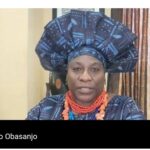
By Akin Alade
The political battle for Ogun Central Senatorial District ahead of the 2027 general election is gradually taking shape as former Senator Iyabo Obasanjo strengthens her campaign structure, with seasoned grassroots politician Abiodun Ajayi resigning his appointment with the Ogun State Universal Basic Education Board (SUBEB) to concentrate fully on her campaign.

Ajayi, a former Chairman of Abeokuta South Local Government and until recently Permanent Member III of Ogun SUBEB, tendered his resignation in a letter dated August 31, 2026, addressed to Governor Dapo Abiodun.

His decision is politically significant because it comes at a time when Obasanjo, the Peoples Democratic Party candidate for Ogun Central, is intensifying grassroots mobilisation across the senatorial district.
Ajayi has been appointed Director-General of Obasanjo’s 2027 senatorial campaign, effectively placing an experienced politician with knowledge of grassroots politics at the centre of her election machinery.
Rather than attempting to combine his government appointment with the increasingly demanding political assignment, Ajayi said he considered it more responsible to relinquish his SUBEB position.
He explained that his resignation followed careful consideration of his emerging political responsibilities and the need to avoid conflicts between competing obligations and political orientations.
Ajayi also expressed appreciation to Governor Abiodun for the opportunity to serve in his administration and contribute to the development of basic education in Ogun State.
The former council chairman, however, dismissed speculation that his resignation automatically meant he was leaving the ruling All Progressives Congress.
He confirmed that his departure from SUBEB was principally connected with his decision to concentrate on leading Obasanjo’s Senate campaign.
Interestingly, Ajayi is not new to Obasanjo’s political machinery.
He previously served as her Director-General during her governorship aspiration under the APC before she eventually left the ruling party and returned to the PDP.
His decision to remain with Obasanjo’s political structure despite her movement to the opposition adds another dimension to the emerging battle for Ogun Central.
Obasanjo, who previously represented Ogun Central in the Senate between 2007 and 2011, returned to active partisan politics after years away from the political frontline.
She initially joined the APC and sought its governorship ticket before resigning from the party following disagreements over the process that produced the party’s governorship candidate.
She subsequently returned to the PDP and emerged as its candidate for Ogun Central Senate in the 2027 election.
Since then, the former senator has stepped up grassroots mobilisation across communities within the district, signalling her determination to reclaim the Senate seat.
Her recent political activities have included visits to communities across Ifo, Ewekoro and Odeda local government areas, engagements with community leaders and residents, as well as efforts aimed at strengthening her campaign structures.
The appointment of Ajayi as campaign DG could therefore prove important as the campaign moves from political declarations to ward-by-ward mobilisation.
For the PDP, having a politician who has operated within the ruling administration and possesses experience in local government politics could provide organisational advantages as the opposition seeks to strengthen its presence across Ogun Central.
However, Ajayi’s insistence that his resignation from SUBEB should not be interpreted as an automatic defection from the APC creates an unusual political situation.
It means the emerging 2027 contest could increasingly produce alliances that transcend traditional party boundaries, with personal political relationships and local structures playing important roles in determining where politicians eventually pitch their tents.
What is becoming increasingly clear is that Obasanjo is not approaching the Ogun Central contest as a ceremonial return to politics.
From grassroots engagements to the strengthening of her campaign leadership, the former senator appears determined to build the political machinery required for a competitive election.
Ajayi’s resignation may therefore be more than the departure of another government appointee.
It could represent an early indication of how intense the battle for Ogun Central will become as political actors begin making difficult choices between government appointments, party loyalties and emerging alliances ahead of 2027.
With the election drawing closer, attention will now turn to whether Ajayi’s move will encourage further political realignments and how the ruling APC responds to the expanding campaign structure being assembled around Obasanjo.


