

Shagari Urges National Assembly to Fast-Track State Police Amid Rising Insecurity


Shagari Urges National Assembly to Fast-Track State Police Amid Rising Insecurity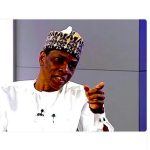
Former Sokoto State Governor and elder statesman, Alhaji Attahiru Dalhatu Bafarawa Shagari, has called on the National Assembly to urgently accelerate constitutional amendments that would pave the way for the establishment of state police across Nigeria.
Shagari warned that the country’s worsening security challenges require bold and practical solutions, stressing that continued delays in creating state police could further deepen insecurity and weaken efforts to protect lives and property.



According to him, the current centralized policing structure has become overstretched and is struggling to effectively respond to the growing threats posed by banditry, kidnapping, terrorism, armed robbery, and communal conflicts in different parts of the country.
The elder statesman argued that state police would provide governors and local authorities with greater capacity to address security concerns specific to their regions. He noted that security personnel recruited from local communities are often better positioned to understand the terrain, culture, and intelligence networks necessary to combat crime effectively.
Shagari maintained that decentralizing policing would strengthen grassroots security architecture, improve response time to emergencies, and enhance collaboration between communities and law enforcement agencies.
He urged members of the National Assembly to prioritize constitutional reforms that would establish a legal framework for state police while also putting in place adequate safeguards to prevent abuse of power and ensure accountability.
The former governor acknowledged concerns expressed by critics regarding the potential misuse of state police by political office holders but insisted that strong institutional checks and transparent oversight mechanisms could address such fears.
He emphasized that many federating nations successfully operate decentralized policing systems and argued that Nigeria should adopt similar measures to tackle its unique security challenges.
Shagari further called on political leaders, traditional rulers, civil society groups, and security experts to support ongoing discussions aimed at strengthening the nation’s security framework and improving public safety.
His remarks come amid renewed national debate over police reforms and growing calls from stakeholders across the country for alternative approaches to tackling insecurity.
With security remaining one of the most pressing issues facing Nigeria, Shagari believes the establishment of state police could become a major turning point in the country’s efforts to restore peace, protect communities, and promote sustainable development.
By Akin Alade


