

Obi’s Healthcare Promise: Ademola Demands Record of Hospitals, Health Centres Built in Anambra


Obi’s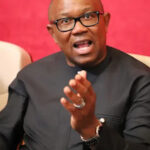 Healthcare Promise: Ademola Demands Record of Hospitals, Health Centres Built in Anambra
By Akin Alade


The latest promise by former Anambra State Governor and Nigeria Democratic Congress (NDC) presidential candidate, Peter Obi, to make political office holders seek medical treatment in Nigeria has triggered fresh questions about his record in the healthcare sector during his eight years as governor.
Obi, speaking in Asaba, Delta State, recently pledged that political leaders under his administration would seek medical treatment in Nigeria except in cases requiring referral abroad. He also promised to strengthen the country’s healthcare system and make domestic medical facilities capable of meeting the needs of Nigerians.
Reacting to the proposal, Prince Gbadegeshin Ademola of the Progressives Vision Movement challenged Obi to place the promise side by side with the measurable achievements of his administration in Anambra State.
According to Ademola, the central question should not be whether Obi can make attractive promises ahead of the 2027 election, but whether his record as a former governor provides sufficient evidence to support the scale of his new national commitments.
“How many hospitals did Peter Obi build while he was governor? How many primary healthcare centres did his administration establish? How many doctors and other healthcare professionals were employed and retained by his government?” Ademola asked.
The questions come at a time when Obi’s healthcare record is again receiving attention. Historical reports show that his administration invested substantially in health infrastructure. In 2013, for instance, his government announced N3 billion for selected government and mission hospitals, including funding for renovations of 11 general hospitals and the construction of 11 rural maternity and child-health centres.
A profile of Obi’s administration also reported that more than 12 health institutions, including two hospitals, had secured accreditation by the end of his tenure. However, a 2010 report also quoted medical practitioners in Anambra calling for increased healthcare funding, manpower development, employment of more health workers and improved welfare for doctors.
Ademola said these records should form part of the public conversation before Nigerians assess any presidential promise to transform healthcare nationally.
He argued that Nigerians deserve detailed figures rather than broad political declarations — including the number of facilities constructed, facilities upgraded, doctors employed, nurses recruited, medical equipment supplied and healthcare projects completed during Obi’s tenure.
The Progressives Vision Movement chieftain also questioned Obi’s repeated presentation of his financial record in Anambra as a model for national governance. The issue has become particularly contentious following recent claims by the Anambra State Government that outstanding loans and other liabilities associated with previous administrations remain under repayment. Obi has rejected those allegations and maintains that he left office without owing salaries, pensions, gratuities or contractors for certified work.
The salary and debt claims remain disputed. The Anambra State Government has alleged that some salary and pension liabilities persisted after Obi left office, while Obi and his supporters have pointed to his 2014 handover document, which reported a net financial balance of about N86.67 billion after listed liabilities.
Ademola therefore called on Obi to move beyond campaign rhetoric and present Nigerians with verifiable evidence of what he achieved in the sectors he now promises to transform nationally.
“Nigeria is bigger than political filmsy promises and propaganda designed to whip sentiments. Nigerians need meaningful and measurable policies. We need to know what a candidate has done, not only what he says he will do when he gets to Abuja,” he said.
He further questioned whether Nigerians should judge a presidential aspirant solely on promises without examining his previous stewardship, insisting that governance involves accountability for both achievements and unresolved obligations.
“Peter Obi is not a messiah. Those who present him as one need to understand that governance is about institutions, policies, accountability and measurable results — not personality cults, slogans or campaign propaganda,” Ademola said.
The controversy underscores a broader issue ahead of the 2027 presidential election: whether political candidates will be judged primarily by their promises or by a combination of their previous records, policy proposals, financial management and capacity to explain how their national programmes would be funded and implemented.
For Obi, his pledge to reduce medical tourism now presents an opportunity for him and his campaign to provide Nigerians with detailed data on his healthcare record in Anambra and explain how the lessons from that experience would translate into a nationwide healthcare transformation.


