

2027: Wike Questions Peter Obi’s Compassion Over IDP Camp Visits, Raises Political Sincerity Concerns


2027: Wike Questions Peter Obi’s Compassion Over IDP Camp Visits, Raises Political Sincerity Concerns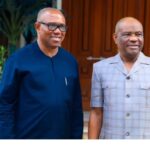
The political battle ahead of Nigeria’s 2027 presidential election has taken another dimension as Federal Capital Territory Minister Nyesom Wike questioned the sincerity of former Anambra State Governor Peter Obi’s humanitarian activities, particularly his visits to internally displaced persons (IDP) camps across the country.


Wike, speaking at the inaugural Idoma Hall of Fame induction ceremony in Abuja, expressed reservations about politicians who publicly demonstrate compassion for vulnerable Nigerians while seeking elective positions. He questioned whether such humanitarian gestures reflected genuine concern for citizens or were designed to attract political sympathy ahead of elections.
The former Rivers State governor wondered why a politician who allegedly did not celebrate birthdays in displacement camps while serving as governor would suddenly embrace such activities while pursuing presidential ambitions. Wike maintained that Nigerians should distinguish between genuine humility and political image-building, insisting that leadership must be measured by performance rather than public appearances.
Obi, however, has consistently presented his humanitarian engagements as part of his commitment to improving the welfare of disadvantaged Nigerians. The former Anambra State governor recently disclosed that he had visited 12 IDP camps across the country, including the Ramin Kura camp in Sokoto State, where he interacted with displaced children and advocated improved living conditions for victims of insecurity.
The controversy has generated fresh questions about the role of humanitarian activities in Nigeria’s political landscape, particularly as politicians intensify efforts to strengthen their public image ahead of the 2027 elections. While supporters of such visits regard them as demonstrations of compassion, critics argue that political leaders should equally be judged by their records in public office.
As political activities gather momentum, the debate surrounding Obi’s visits highlights a broader challenge facing Nigerian democracy: determining whether public displays of compassion translate into sustainable policies capable of addressing poverty, insecurity and displacement.
Ultimately, the electorate will be expected to assess competing political personalities not merely by their public engagements but by their leadership records, policy proposals and capacity to deliver meaningful improvements in the lives of ordinary Nigerians.


